As you embark on the journey of teaching your child the Spanish language, you are opening a door to a world rich in culture, history, and communication. Spanish is not only one of the most widely spoken languages globally, but it also serves as a bridge to connect with millions of people across various countries. By introducing your child to Spanish at a young age, you are providing them with a valuable skill that can enhance their cognitive abilities, cultural awareness, and future opportunities.
The earlier they start learning, the more natural it will feel for them, allowing them to absorb the language in a way that is both enjoyable and effective. In today’s interconnected world, bilingualism is becoming increasingly important. As you guide your child through the process of learning Spanish, you are equipping them with tools that can benefit them academically and socially.
Whether it’s through engaging activities, interactive games, or immersive experiences, the journey of learning Spanish can be both fun and rewarding. This article will explore the myriad benefits of learning Spanish at a young age, offer tips on making the process enjoyable, and provide strategies for overcoming common challenges.
Key Takeaways
- Learning Spanish at a young age can provide numerous cognitive, academic, and social benefits for kids.
- Making Spanish learning fun for kids can involve incorporating games, songs, and interactive activities into their language learning experience.
- Choosing the right Spanish learning resources for kids involves considering their age, interests, and learning style, as well as the quality and effectiveness of the materials.
- Incorporating Spanish into daily activities for kids can include labeling items around the house, cooking Spanish recipes, and practicing Spanish conversations during family time.
- Teaching Spanish pronunciation to kids can be made easier by using visual aids, practicing with tongue twisters, and providing positive reinforcement for their efforts.
Benefits of Learning Spanish at a Young Age
Learning Spanish at a young age comes with a plethora of benefits that extend beyond mere language acquisition. One of the most significant advantages is cognitive development. Research has shown that bilingual children often exhibit enhanced problem-solving skills, improved memory, and greater creativity.
As your child learns to navigate between languages, they are also developing critical thinking skills that will serve them well in various aspects of life. This cognitive flexibility can lead to better academic performance in subjects like math and science, as they learn to approach problems from different angles. Moreover, learning Spanish opens up a world of cultural appreciation.
By exposing your child to the language early on, you are also introducing them to the rich tapestry of Hispanic cultures. This cultural awareness fosters empathy and understanding, allowing your child to appreciate diversity in a way that is both meaningful and impactful. They will learn about traditions, music, art, and cuisine from Spanish-speaking countries, enriching their worldview and encouraging them to embrace differences rather than shy away from them.
How to Make Spanish Learning Fun for Kids
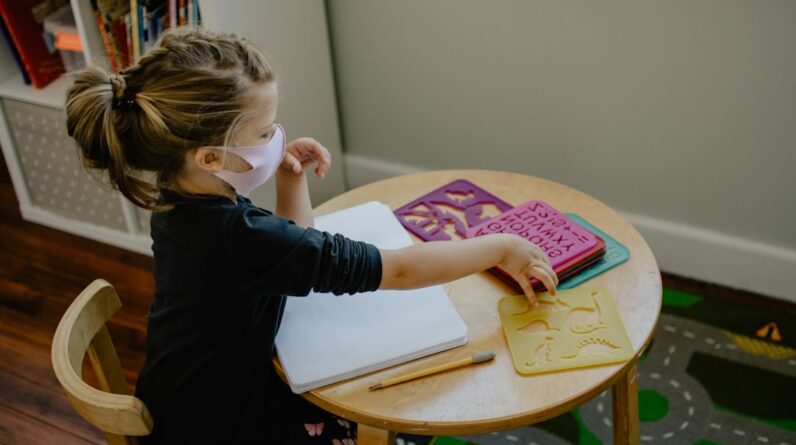
To keep your child engaged in their Spanish learning journey, it’s essential to incorporate fun and interactive methods into their study routine. One effective way to do this is through games. Language-based games such as bingo, memory matching, or scavenger hunts can make learning vocabulary exciting.
You can create flashcards with pictures and words in Spanish, turning study time into playtime. This approach not only reinforces their vocabulary but also helps them associate words with images, making retention easier. Another enjoyable method is through music and songs.
Children naturally love music, and incorporating Spanish songs into their daily routine can significantly enhance their learning experience. Singing along to catchy tunes helps with pronunciation and rhythm while making vocabulary memorable. You might consider exploring popular children’s songs in Spanish or even creating your own simple songs together.
This musical approach not only makes learning enjoyable but also allows for repetition in a fun context.
Choosing the Right Spanish Learning Resources for Kids
Selecting appropriate resources for your child’s Spanish learning journey is crucial for their success. With a plethora of options available today, it’s essential to choose materials that are age-appropriate and engaging. Look for books that feature colorful illustrations and simple texts designed for young learners.
Picture books that tell stories in both English and Spanish can be particularly effective as they allow your child to make connections between the two languages. In addition to books, consider utilizing online platforms and apps specifically designed for children learning Spanish. Many educational websites offer interactive games, videos, and quizzes that cater to young learners’ interests.
These resources often incorporate elements of play while teaching vocabulary and grammar concepts. By combining traditional resources with modern technology, you can create a well-rounded learning experience that keeps your child motivated and excited about their progress.
Incorporating Spanish into Daily Activities for Kids
Integrating Spanish into your child’s daily life can significantly enhance their language acquisition process. One effective strategy is to label everyday items around the house with their Spanish names. For instance, you can place sticky notes on furniture or appliances with words like “mesa” (table) or “refrigerador” (refrigerator).
This constant exposure helps reinforce vocabulary in a natural context and encourages your child to use the words in conversation. Additionally, consider setting aside specific times during the day when you only speak in Spanish. This could be during meals or while engaging in activities like cooking or playing games together.
By creating an immersive environment where Spanish is regularly spoken, you help your child become more comfortable with the language. This practice not only builds their vocabulary but also boosts their confidence in using Spanish in real-life situations.
Tips for Teaching Spanish Pronunciation to Kids
Modeling Correct Pronunciation
One helpful approach is to model correct pronunciation yourself. Children often learn by imitation, so when you pronounce words clearly and accurately, they are more likely to mimic your speech patterns.
Incorporating Phonetic Exercises
Incorporating phonetic exercises into your lessons can also be beneficial. You might engage your child in fun tongue twisters or rhyming games that focus on specific sounds in Spanish. These activities not only make pronunciation practice enjoyable but also help develop their listening skills as they learn to distinguish between similar sounds.
Reinforcing Pronunciation through Repetition and Song
Encouraging your child to repeat words after you or sing along to songs can further reinforce proper pronunciation in a playful manner.
Common Challenges in Spanish Language Learning for Kids
As with any language learning journey, there are common challenges that children may face while learning Spanish. One significant hurdle is the fear of making mistakes. Many children may feel self-conscious about speaking a new language and worry about mispronouncing words or using incorrect grammar.
This fear can hinder their willingness to practice speaking and may lead to frustration. Another challenge is retaining vocabulary over time. Children often learn new words quickly but may struggle to remember them without regular practice and reinforcement.
This can lead to feelings of discouragement if they feel they are not progressing as expected. Recognizing these challenges is the first step toward finding effective solutions that will help your child overcome obstacles in their language learning journey.
Strategies for Helping Kids Overcome Language Learning Obstacles
To help your child navigate the challenges of learning Spanish, it’s essential to create a supportive environment that encourages risk-taking and experimentation with the language. One effective strategy is to celebrate small victories along the way. Acknowledge their efforts when they successfully use new vocabulary or complete a lesson, no matter how minor it may seem.
Positive reinforcement boosts their confidence and motivates them to continue practicing. Additionally, consider incorporating peer interaction into their learning experience. Arranging playdates or group activities with other children who are also learning Spanish can provide a fun and supportive atmosphere for practicing language skills together.
Engaging with peers allows children to learn from one another while reducing the pressure they may feel when speaking in front of adults.
Using Technology to Enhance Spanish Language Learning for Kids
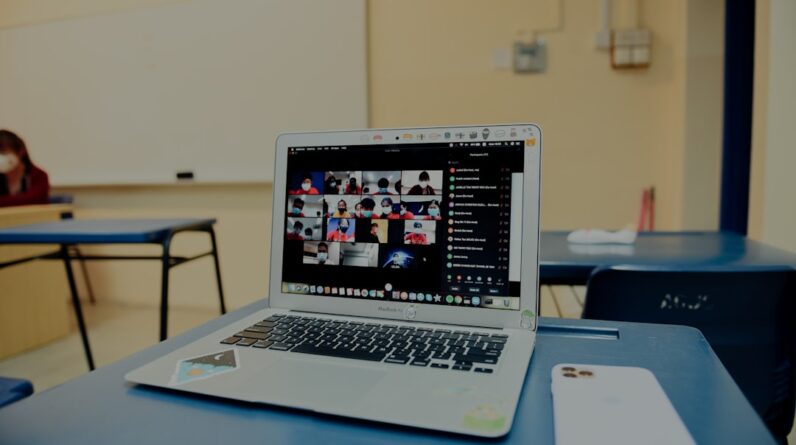
In today’s digital age, technology offers numerous tools that can enhance your child’s Spanish language learning experience. Educational apps designed for language acquisition often include interactive games, quizzes, and videos that make learning engaging and dynamic. These platforms allow children to practice vocabulary and grammar at their own pace while providing instant feedback on their progress.
Moreover, online resources such as language exchange platforms can connect your child with native Spanish speakers for conversational practice. This real-world application of their skills not only reinforces what they have learned but also builds confidence in using the language outside of a classroom setting. By leveraging technology effectively, you can create an enriching environment that complements traditional learning methods.
Celebrating Spanish Culture and Traditions with Kids
One of the most enriching aspects of learning a new language is exploring the culture associated with it. Celebrating Spanish culture and traditions with your child can deepen their appreciation for the language while making learning more meaningful. You might consider organizing themed events at home where you cook traditional dishes from Spanish-speaking countries or explore cultural festivals celebrated throughout the year.
Incorporating stories about famous Hispanic figures or historical events into your lessons can also spark interest in the culture behind the language. You could read books about influential artists, musicians, or writers from the Hispanic community or watch films that showcase different aspects of life in Spanish-speaking countries. By connecting language learning with cultural exploration, you create a holistic experience that enriches your child’s understanding of both the language and its context.
Encouraging Continued Spanish Language Learning for Kids
As your child progresses in their Spanish language journey, it’s important to encourage continued learning beyond initial exposure. One way to do this is by setting achievable goals together—whether it’s reading a certain number of books in Spanish each month or practicing conversation skills regularly. These goals provide structure while allowing your child to take ownership of their learning process.
Additionally, consider enrolling them in extracurricular activities related to Spanish language and culture—such as dance classes featuring Latin styles or art workshops focused on Hispanic artists. These experiences not only reinforce language skills but also foster a sense of community among peers who share similar interests in the language and culture. By nurturing their passion for Spanish through ongoing engagement, you help ensure that their love for the language continues to grow over time.
In conclusion, embarking on the journey of teaching your child Spanish opens up a world filled with opportunities for growth and connection. By understanding the benefits of early language acquisition, employing fun teaching methods, and addressing challenges head-on, you can create an enriching environment that fosters lifelong love for learning languages.
If you are interested in exploring the differences between language learning as a child versus as an adult, you may want to check out the article Is it Easier to Learn a Language as a Child or as an Adult? This article delves into the advantages and challenges of language acquisition at different stages of life, providing valuable insights for parents and educators looking to support children in their Spanish language learning journey. Mastering vocabulary is also a crucial aspect of language fluency, as discussed in the article Mastering Vocabulary: The Key to Language Fluency. By building a strong foundation of vocabulary, children can enhance their communication skills and confidence in using the Spanish language.
FAQs
What are the benefits of learning Spanish at a young age?
Learning Spanish at a young age can help children develop better cognitive skills, improve their problem-solving abilities, and enhance their communication skills. It also opens up opportunities for cultural understanding and future career prospects.
At what age can children start learning Spanish?
Children can start learning Spanish as early as preschool age. Their brains are more receptive to language learning during the early years, making it an ideal time to introduce them to a new language.
What are some effective methods for teaching Spanish to kids?
Some effective methods for teaching Spanish to kids include using interactive games, songs, and storytelling. Immersion in the language through activities and conversations can also be beneficial.
Are there any online resources available for teaching Spanish to kids?
Yes, there are many online resources available for teaching Spanish to kids, including educational websites, apps, and videos specifically designed for young learners.
How can parents support their children’s Spanish language learning journey?
Parents can support their children’s Spanish language learning journey by creating a language-rich environment at home, practicing Spanish together, and exposing their children to Spanish-speaking cultures through books, music, and activities.
What are some common challenges when learning Spanish as a second language for kids?
Some common challenges when learning Spanish as a second language for kids include pronunciation difficulties, grammar differences, and building vocabulary. However, with consistent practice and exposure, these challenges can be overcome.