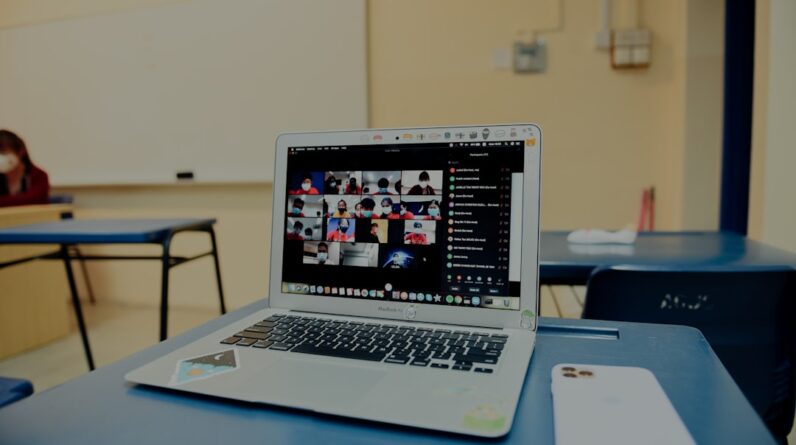
In today’s fast-paced digital world, the landscape of language learning has transformed dramatically. You are no longer confined to traditional classroom settings or dusty textbooks. Instead, a plethora of technology tools is at your fingertips, making the journey of learning Spanish more engaging and accessible than ever before.
Whether you are a complete beginner or looking to refine your existing skills, these tools can cater to your unique learning style and pace. The integration of technology into language learning not only enhances your experience but also provides you with a variety of resources that can make mastering Spanish an enjoyable endeavor. As you embark on this exciting journey, it’s essential to understand the different types of technology tools available.
From interactive apps to immersive virtual reality programs, the options are vast and varied. Each tool offers distinct advantages, allowing you to tailor your learning experience to fit your needs. By leveraging these resources, you can immerse yourself in the Spanish language, practice speaking and listening skills, and even connect with native speakers around the globe.
The following sections will delve into the various technology tools that can aid you in your quest to learn Spanish effectively.
Key Takeaways
- Spanish language learning technology tools offer a variety of options for learners to improve their language skills.
- Interactive language learning apps provide engaging and convenient ways to practice Spanish on the go.
- Online Spanish language courses offer structured learning experiences with flexibility for different schedules and learning styles.
- Language learning software provides interactive exercises and lessons to enhance vocabulary and grammar skills.
- Spanish language learning podcasts offer authentic language practice and cultural insights for learners.
Interactive Language Learning Apps
One of the most popular ways to learn Spanish today is through interactive language learning apps. These applications are designed to make language acquisition fun and engaging, often incorporating gamified elements that keep you motivated. You can practice vocabulary, grammar, and pronunciation through bite-sized lessons that fit seamlessly into your daily routine.
Whether you have a few minutes during your commute or a longer session at home, these apps allow you to learn at your own pace and convenience. Many of these apps utilize spaced repetition algorithms, which help reinforce your memory by revisiting words and phrases at optimal intervals. This method ensures that you retain what you learn over time, making it easier for you to recall vocabulary when needed.
Additionally, some apps offer interactive features such as quizzes, flashcards, and even social components where you can connect with other learners. This sense of community can be incredibly motivating as you share your progress and challenges with fellow Spanish learners.
Online Spanish Language Courses

If you prefer a more structured approach to learning Spanish, online language courses may be the perfect fit for you. These courses often provide comprehensive curricula that cover all aspects of the language, including reading, writing, speaking, and listening. With the flexibility of online learning, you can choose a course that fits your schedule and learning style.
Many platforms offer live classes with experienced instructors, allowing for real-time interaction and feedback. Moreover, online courses often include a variety of multimedia resources such as videos, quizzes, and interactive exercises that enhance your understanding of the language. You can also find courses tailored to specific goals, whether you want to focus on conversational skills for travel or academic proficiency for professional purposes.
The ability to learn from the comfort of your home while still receiving guidance from qualified teachers makes online courses an appealing option for many learners.
Language Learning Software
Language learning software has been a staple in the educational technology landscape for years. These programs often provide a comprehensive suite of tools designed to help you master Spanish through structured lessons and exercises. Unlike mobile apps that may focus on quick interactions, software programs typically offer in-depth content that covers grammar rules, vocabulary building, and pronunciation practice in a more extensive format.
Many software options also include speech recognition technology that allows you to practice speaking and receive immediate feedback on your pronunciation. This feature is particularly beneficial for developing your speaking skills and gaining confidence in your ability to communicate in Spanish. Additionally, some programs offer customizable learning paths based on your proficiency level and personal goals, ensuring that you are always challenged yet not overwhelmed.
Spanish Language Learning Podcasts
Podcasts have emerged as a popular medium for language learners seeking to improve their listening skills while on the go. With a wide range of Spanish language podcasts available, you can find content that suits your interests and proficiency level. Whether you prefer storytelling, interviews, or educational discussions, there is likely a podcast that aligns with your preferences.
Listening to native speakers discuss various topics not only helps improve your comprehension but also exposes you to different accents and dialects within the Spanish language. You can listen during your daily commute, while exercising, or even while doing household chores. This flexibility allows you to immerse yourself in the language without dedicating specific time slots solely for study.
As you engage with these podcasts regularly, you’ll find that your listening skills improve significantly over time.
Virtual Reality Language Learning Programs

Virtual reality (VR) is revolutionizing the way languages are taught and learned. By immersing yourself in a virtual environment where Spanish is spoken, you can practice real-life conversations in a safe space. VR programs often simulate everyday scenarios such as ordering food at a restaurant or asking for directions in a bustling city.
This immersive experience allows you to apply what you’ve learned in a practical context. The interactive nature of VR also enhances engagement and retention. You can practice speaking with virtual characters who respond to your input in real-time, providing immediate feedback on your pronunciation and grammar usage.
This innovative approach not only makes learning more enjoyable but also helps build confidence as you navigate conversations in Spanish without the fear of judgment from others.
Language Learning Websites and Platforms
Numerous websites and platforms are dedicated to helping learners acquire Spanish through various methods. These resources often combine multiple learning styles by offering written content, videos, quizzes, and forums for discussion among learners. Websites like Duolingo or Babbel provide structured lessons that guide you through vocabulary and grammar while allowing for self-paced learning.
Additionally, many platforms offer community features where you can connect with other learners or even native speakers for language exchange opportunities. Engaging with others who share similar goals can provide motivation and accountability as you progress in your studies. The wealth of resources available online means that you can easily find materials tailored to your specific interests or areas where you need improvement.
Spanish Language Learning Games
Gamification has become an effective strategy in language learning, making it more enjoyable and less daunting for learners like yourself. Spanish language learning games often incorporate elements of competition and rewards that encourage consistent practice. These games can range from simple vocabulary quizzes to complex role-playing scenarios where you must use your language skills to solve challenges.
Playing games not only reinforces what you’ve learned but also introduces new vocabulary and phrases in an engaging way. The interactive nature of these games keeps you motivated as you strive to achieve higher scores or complete levels. By incorporating play into your study routine, you’ll find that learning Spanish becomes less of a chore and more of an exciting adventure.
Language Learning Chatbots and AI Assistants
The rise of artificial intelligence has led to the development of chatbots and virtual assistants designed specifically for language learners. These tools allow you to practice conversational skills by engaging in text or voice-based interactions with AI-driven characters. You can ask questions, receive instant feedback on your responses, and even engage in role-playing scenarios that mimic real-life conversations.
Chatbots provide a low-pressure environment for practicing speaking without the fear of making mistakes in front of others. They are available 24/7, allowing you to practice whenever it suits you best. As AI technology continues to evolve, these tools are becoming increasingly sophisticated, offering personalized learning experiences based on your progress and preferences.
Audio and Video Language Learning Resources
Incorporating audio and video resources into your Spanish learning routine can significantly enhance your comprehension skills. Watching movies or TV shows in Spanish with subtitles allows you to see how words are used in context while improving your listening abilities. Similarly, educational YouTube channels dedicated to teaching Spanish provide visual aids that can help clarify complex grammar points or vocabulary usage.
Podcasts also fall under this category as they offer an auditory experience that complements visual learning methods. By exposing yourself to different accents and speaking styles through various media formats, you’ll develop a more nuanced understanding of the language. This multi-faceted approach ensures that you’re not only learning vocabulary but also grasping cultural nuances that come with the language.
Choosing the Right Spanish Language Learning Technology Tools for You
With so many options available for learning Spanish through technology tools, it’s essential to choose the ones that align best with your personal goals and learning style. Consider what aspects of language learning are most important to you—whether it’s speaking fluency, grammar comprehension, or cultural immersion—and select tools that cater specifically to those needs. You might find it beneficial to combine several resources for a well-rounded approach; for instance, using an app for daily vocabulary practice while supplementing it with podcasts for listening skills or online courses for structured lessons.
Experimenting with different tools will help you discover what resonates most with you and keeps you motivated on your journey toward fluency in Spanish. In conclusion, the world of Spanish language learning technology tools is vast and varied, offering something for everyone regardless of their proficiency level or preferred learning style. By exploring these resources—interactive apps, online courses, podcasts, VR programs, games, chatbots—you can create a personalized learning experience that makes mastering Spanish not only achievable but also enjoyable.
Embrace the technology at your disposal and embark on this exciting linguistic adventure!
If you are interested in learning more about the German language, you may want to check out the article “The Difference Between Wissen & Kennen in German.” This article explores the nuances between these two important verbs in German and can provide valuable insights for language learners. Additionally, understanding the distinctions between similar words in different languages can enhance your overall language learning experience.
FAQs
What are Spanish language learning technology tools?
Spanish language learning technology tools are digital resources and applications designed to help individuals learn and improve their Spanish language skills. These tools can include language learning apps, online courses, interactive websites, and software programs.
What types of Spanish language learning technology tools are available?
There are various types of Spanish language learning technology tools available, including language learning apps such as Duolingo and Babbel, online courses like Rosetta Stone and FluentU, interactive websites like SpanishDict and StudySpanish, and software programs such as Pimsleur and Fluenz.
How do Spanish language learning technology tools help with language learning?
Spanish language learning technology tools help with language learning by providing interactive and engaging ways to practice vocabulary, grammar, pronunciation, and comprehension. These tools often incorporate multimedia elements, such as audio, video, and interactive exercises, to enhance the learning experience.
Are Spanish language learning technology tools suitable for all levels of learners?
Yes, Spanish language learning technology tools are designed to accommodate learners of all levels, from beginners to advanced speakers. Many tools offer personalized learning paths and adaptive exercises to cater to individual proficiency levels.
Can Spanish language learning technology tools be used for self-study?
Yes, Spanish language learning technology tools are ideal for self-study, as they provide learners with the flexibility to practice and improve their language skills at their own pace and convenience. These tools often include features for tracking progress and setting personalized learning goals.