Spanish Language Course
Embarking on a Spanish language course can be an exciting and transformative journey. Whether you are a complete novice or someone looking to brush up on your existing skills, the structured environment of a language course provides a solid foundation for your learning. Spanish, as one of the most widely spoken languages in the world, opens doors to diverse cultures, rich histories, and vibrant communities.
By enrolling in a Spanish course, you are not just learning a new language; you are also gaining access to a wealth of experiences that can enhance your personal and professional life. As you begin your course, you will find that the curriculum is designed to cater to various learning styles and paces. From interactive lessons that engage you in conversation to grammar exercises that build your understanding of the language’s structure, each component is crafted to help you progress effectively.
The support of experienced instructors and fellow learners creates an encouraging atmosphere where you can practice speaking, listening, reading, and writing in Spanish. This comprehensive approach ensures that you develop a well-rounded proficiency that will serve you well in real-world situations.
Key Takeaways
- Spanish language courses offer a valuable opportunity to learn a new language and immerse oneself in a rich and diverse culture.
- Learning Spanish can open up new opportunities for travel, career advancement, and personal growth.
- Spanish language courses are typically offered at different levels, from beginner to advanced, to accommodate learners with varying levels of proficiency.
- Online Spanish language courses offer flexibility and convenience, while in-person courses provide a more immersive and interactive learning experience.
- To succeed in a Spanish language course, it’s important to practice regularly, seek out opportunities for cultural immersion, and stay motivated and committed to learning.
Benefits of Learning Spanish
Learning Spanish offers a multitude of benefits that extend beyond mere communication. One of the most significant advantages is the ability to connect with millions of people across the globe. With over 460 million native speakers, Spanish is the second most spoken language in the world.
By mastering this language, you can engage with diverse communities, whether through travel, social interactions, or professional networking. This connection fosters understanding and appreciation of different cultures, enriching your life in ways you may not have anticipated. Moreover, acquiring Spanish can enhance your cognitive abilities.
Studies have shown that learning a new language improves memory, problem-solving skills, and even multitasking capabilities. As you navigate the complexities of Spanish grammar and vocabulary, you are essentially training your brain to think in new ways. This mental exercise not only sharpens your intellect but also boosts your confidence as you tackle challenges in other areas of your life.
Additionally, being bilingual can give you a competitive edge in the job market, as many employers value candidates who can communicate effectively with diverse clientele.
Different Levels of Spanish Language Courses

Spanish language courses are typically structured into various levels to accommodate learners at different stages of their language journey. These levels generally range from beginner to advanced, allowing you to progress at a pace that suits your individual needs. In beginner courses, you will focus on foundational vocabulary and basic grammar rules, enabling you to construct simple sentences and engage in basic conversations.
This level is crucial for building confidence and laying the groundwork for more complex language skills. As you advance to intermediate and advanced levels, the focus shifts toward refining your speaking and writing abilities. Intermediate courses often introduce more intricate grammatical structures and expand your vocabulary to include idiomatic expressions and specialized terminology.
At the advanced level, you will engage in discussions on various topics, analyze literature, and even explore cultural nuances that influence language use. This progression not only enhances your fluency but also deepens your understanding of the Spanish-speaking world.
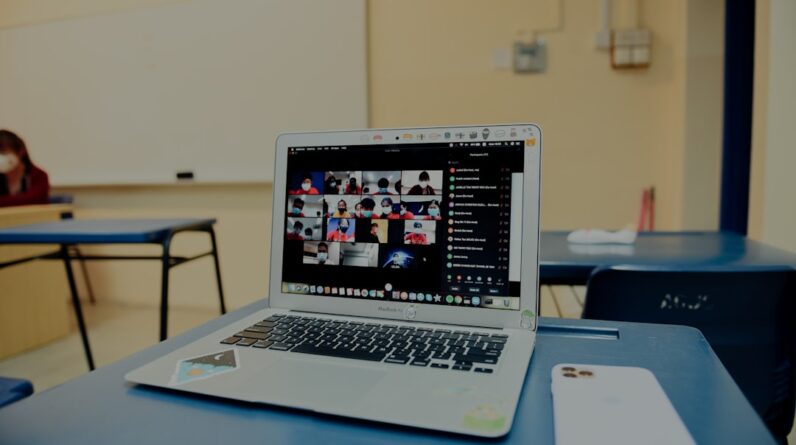
In recent years, the debate between online and in-person Spanish language courses has gained prominence as technology continues to reshape education. Online courses offer unparalleled flexibility, allowing you to learn at your own pace and on your own schedule. With a plethora of resources available at your fingertips—such as interactive exercises, video lessons, and virtual conversation partners—you can tailor your learning experience to fit your lifestyle.
This convenience is particularly beneficial for busy individuals who may struggle to commit to traditional classroom settings. On the other hand, in-person courses provide a unique opportunity for face-to-face interaction with instructors and fellow students. The dynamic environment of a classroom fosters immediate feedback and spontaneous conversation practice, which can significantly enhance your speaking skills.
Additionally, being physically present with others who share your learning goals creates a sense of community and accountability that can motivate you to stay engaged in your studies. Ultimately, the choice between online and in-person courses depends on your personal preferences and learning style; both options have their distinct advantages.
Tips for Success in a Spanish Language Course
To maximize your success in a Spanish language course, it is essential to adopt effective study habits and strategies. One key tip is to immerse yourself in the language as much as possible outside of class. This could involve listening to Spanish music, watching films or television shows in Spanish, or reading books and articles written in the language.
By surrounding yourself with Spanish content, you reinforce what you learn in class and develop a more intuitive understanding of the language. Another important aspect of success is consistent practice. Make it a habit to dedicate time each day to review vocabulary, practice speaking aloud, or complete exercises related to grammar and sentence structure.
Consistency is crucial for retention; even short daily sessions can be more effective than infrequent, longer study periods. Additionally, don’t hesitate to seek help when needed—whether from instructors or fellow students—because collaboration can enhance your learning experience and provide valuable insights.
Cultural Immersion in a Spanish Language Course
Cultural immersion is an integral part of any comprehensive Spanish language course. Understanding the cultural context in which a language is spoken enriches your learning experience and deepens your appreciation for the language itself. Many courses incorporate cultural elements through discussions about traditions, history, art, and cuisine from various Spanish-speaking countries.
This exposure not only makes learning more engaging but also helps you grasp the nuances of language use in different contexts. Participating in cultural activities—such as cooking classes featuring traditional dishes or attending local festivals celebrating Hispanic heritage—can further enhance your immersion experience. These activities provide opportunities to practice your language skills in real-life situations while connecting with native speakers and fellow learners.
By embracing cultural immersion, you not only become more proficient in Spanish but also develop a broader worldview that celebrates diversity and fosters empathy.
Career Opportunities with Spanish Language Skills

In today’s globalized economy, proficiency in Spanish can significantly expand your career opportunities across various fields. Many industries—such as healthcare, education, business, and tourism—actively seek bilingual professionals who can communicate effectively with Spanish-speaking clients or colleagues. For instance, healthcare providers who speak Spanish can better serve diverse patient populations, ensuring that individuals receive appropriate care without language barriers.
Moreover, being bilingual can enhance your employability by setting you apart from other candidates in competitive job markets. Employers often value candidates who possess strong communication skills in multiple languages as they can help bridge gaps between cultures and facilitate collaboration within diverse teams. Whether you aspire to work in international relations or simply want to enhance your resume, learning Spanish can be a strategic investment in your future career.
Resources for Continuing Spanish Language Education
Once you complete a formal Spanish language course, the journey does not have to end there; numerous resources are available for continuing your education. Online platforms such as Duolingo, Babbel, or Rosetta Stone offer interactive lessons that allow you to practice at your own pace while reinforcing what you’ve learned. Additionally, many universities and community colleges offer advanced courses or workshops that cater to specific interests or professional needs.
Engaging with native speakers through language exchange programs or conversation clubs can also be an invaluable resource for maintaining and improving your skills. These informal settings provide opportunities for real-world practice while fostering connections with others who share your passion for language learning. Furthermore, consider exploring literature or media produced in Spanish—such as novels, podcasts, or news outlets—to immerse yourself further in the language and culture long after completing your course.
In conclusion, embarking on a Spanish language course is not just about acquiring new vocabulary or mastering grammar; it is an enriching experience that opens doors to new cultures and opportunities. By understanding the benefits of learning Spanish, recognizing different course levels, weighing online versus in-person options, implementing effective study strategies, embracing cultural immersion, exploring career prospects, and utilizing resources for continued education, you set yourself up for success on this rewarding journey. So take that first step—your adventure awaits!
FAQs
What is a Spanish language course?
A Spanish language course is a program designed to teach individuals how to speak, read, and write in the Spanish language. These courses can be offered in a variety of formats, including in-person classes, online courses, and self-study programs.
What are the benefits of taking a Spanish language course?
Taking a Spanish language course can provide numerous benefits, including the ability to communicate with Spanish speakers, increased job opportunities, and a better understanding of Spanish-speaking cultures. Learning a new language can also improve cognitive skills and memory.
What can I expect to learn in a Spanish language course?
In a Spanish language course, you can expect to learn vocabulary, grammar, pronunciation, and conversational skills. You may also learn about Spanish-speaking cultures and traditions.
How long does it take to complete a Spanish language course?
The length of time it takes to complete a Spanish language course can vary depending on the individual’s learning pace and the intensity of the course. Some courses may be completed in a few weeks, while others may take several months or even years to fully master the language.
Are there different levels of Spanish language courses?
Yes, Spanish language courses are often divided into different levels, such as beginner, intermediate, and advanced. These levels are designed to accommodate learners with varying degrees of proficiency in the language.
What are the different ways to take a Spanish language course?
Spanish language courses can be taken in a variety of ways, including in-person classes at language schools or universities, online courses, and self-study programs using textbooks, audio materials, and language learning apps.