Practicing your Spanish speaking skills is crucial for achieving fluency and confidence in the language. While learning vocabulary and grammar is essential, the ability to communicate effectively is what truly brings a language to life. Engaging in conversation allows you to apply what you’ve learned in a practical context, helping to solidify your understanding and retention of the language.
When you speak Spanish regularly, you not only improve your vocabulary but also develop a natural rhythm and flow that is often missing from textbook learning. Moreover, speaking practice exposes you to various accents and dialects, enriching your understanding of the language. Spanish is spoken in numerous countries, each with its unique nuances and expressions.
By conversing with native speakers or fellow learners, you gain insights into cultural contexts that can enhance your language skills. This immersion is invaluable; it helps you think in Spanish rather than translating from your native language, which is a significant step toward fluency.
Key Takeaways
- Practicing Spanish speaking is important for improving fluency and confidence in the language.
- Finding Spanish speaking partners can provide valuable opportunities for conversation and learning.
- Joining Spanish conversation groups can create a supportive and immersive environment for practicing the language.
- Language exchange programs offer a chance to practice Spanish with native speakers while helping them learn your language.
- Incorporating Spanish into daily activities, such as cooking or exercising, can make practice more enjoyable and natural.
Finding Spanish Speaking Partners
Finding Spanish speaking partners can be one of the most rewarding aspects of your language learning journey. You might start by reaching out to friends or acquaintances who are fluent in Spanish or are also learning the language. This can create a comfortable environment where both of you can practice without the fear of judgment.
You can set up regular meet-ups, whether in person or virtually, to ensure consistent practice. This not only helps you improve your speaking skills but also fosters a sense of community and support. If personal connections are limited, consider utilizing online platforms designed for language exchange.
Websites and apps like Tandem or HelloTalk connect you with native Spanish speakers who want to learn your language. This reciprocal arrangement allows both parties to benefit from the exchange, as you can help each other with pronunciation, vocabulary, and cultural nuances. Engaging with diverse partners will expose you to different speaking styles and regional variations, further enhancing your learning experience.
Joining Spanish Conversation Groups
Joining Spanish conversation groups can significantly boost your speaking abilities while providing a social outlet. Many communities offer language meet-ups where learners gather to practice speaking in a relaxed setting. These groups often welcome participants of all skill levels, making it an inclusive environment for everyone.
You’ll find that conversing with others who share your goal of improving their Spanish can be both motivating and enjoyable. In addition to local meet-ups, consider online conversation groups that allow you to connect with people from around the world. Platforms like Meetup or Facebook often have dedicated groups for Spanish learners.
Participating in these groups not only helps you practice speaking but also allows you to make friends who share similar interests. The camaraderie built through shared experiences can make learning more enjoyable and less daunting.
Using Language Exchange Programs
Language exchange programs are an excellent way to immerse yourself in Spanish while helping others learn your native language. These programs typically pair you with a native Spanish speaker who wants to learn English or another language you speak fluently. This mutual exchange creates a balanced learning environment where both parties can benefit from each other’s knowledge and experience.
Many language exchange programs offer structured sessions that focus on specific topics or themes, allowing for more targeted practice. You might discuss current events, cultural differences, or even hobbies, which can make conversations more engaging and relevant. Additionally, these programs often encourage participants to correct each other’s mistakes gently, fostering a supportive atmosphere that promotes growth and confidence in speaking.
Incorporating Spanish into Daily Activities
Incorporating Spanish into your daily activities is a practical approach to enhancing your language skills without feeling overwhelmed. You can start by labeling items around your home with their Spanish names, which helps reinforce vocabulary in a visual way. For instance, placing sticky notes on furniture or appliances can serve as constant reminders of the words you’re trying to learn.
Another effective method is to change the language settings on your devices to Spanish. This simple adjustment forces you to navigate through menus and applications in Spanish, providing real-world context for the vocabulary you’ve learned. Additionally, try to think in Spanish during everyday tasks—whether it’s making a grocery list or planning your day—this mental exercise can significantly improve your fluency over time.
Watching Spanish TV Shows and Movies
Watching Spanish TV shows and movies is not only entertaining but also an effective way to improve your listening skills and comprehension. By immersing yourself in authentic dialogues, you become familiar with colloquial expressions, slang, and cultural references that textbooks often overlook. Choose shows or films that interest you; this will keep you engaged and motivated to continue watching.
To maximize your learning experience, consider using subtitles initially—either in English or Spanish—to help bridge the gap between what you hear and what you understand. As you become more comfortable with the language, challenge yourself by turning off subtitles altogether. This will push you to rely on your listening skills and context clues, ultimately enhancing your ability to understand spoken Spanish in real-life situations.
Listening to Spanish Music and Podcasts
Listening to Spanish music and podcasts is another enjoyable way to immerse yourself in the language while sharpening your listening skills. Music can be particularly effective because it often features repetitive phrases and catchy melodies that make it easier to remember vocabulary and expressions. Explore different genres of music—such as pop, rock, or traditional folk—to find what resonates with you.
Podcasts are also an excellent resource for language learners at any level. Many podcasts cater specifically to Spanish learners, offering content that ranges from beginner-friendly discussions to advanced topics. By listening regularly, you’ll not only improve your comprehension but also gain exposure to various accents and speaking styles.
Consider taking notes on new vocabulary or phrases that stand out to you; this will reinforce your learning and provide material for future practice.
Reading Spanish Books and Articles
Reading Spanish books and articles is a fantastic way to expand your vocabulary while improving your comprehension skills. Start with materials that match your current proficiency level; children’s books or graded readers can be excellent choices for beginners. As you progress, challenge yourself with more complex texts such as novels or news articles that cover topics of interest.
When reading in Spanish, don’t hesitate to keep a dictionary handy—whether physical or digital—to look up unfamiliar words or phrases. This practice not only enhances your vocabulary but also helps you understand context better. Additionally, consider summarizing what you’ve read in Spanish; this exercise reinforces comprehension and encourages you to articulate your thoughts in the language.
Practicing Pronunciation and Accent
Practicing pronunciation and accent is essential for effective communication in Spanish. Many learners struggle with sounds that don’t exist in their native languages, making it crucial to focus on these areas during practice sessions. Utilize resources like pronunciation guides or online videos that demonstrate how to produce specific sounds correctly.
Recording yourself speaking can also be beneficial; listening back allows you to identify areas for improvement and track your progress over time. Additionally, consider mimicking native speakers by repeating phrases or sentences after hearing them in conversations or media. This technique not only helps with pronunciation but also aids in developing a more natural accent over time.
Taking Spanish Speaking Classes
Taking Spanish speaking classes can provide structured learning opportunities that enhance your speaking skills significantly. Look for classes that emphasize conversation rather than just grammar; this will ensure that you spend ample time practicing speaking with instructors and classmates alike. Many language schools offer immersive programs where students engage in discussions on various topics, allowing for real-time feedback.
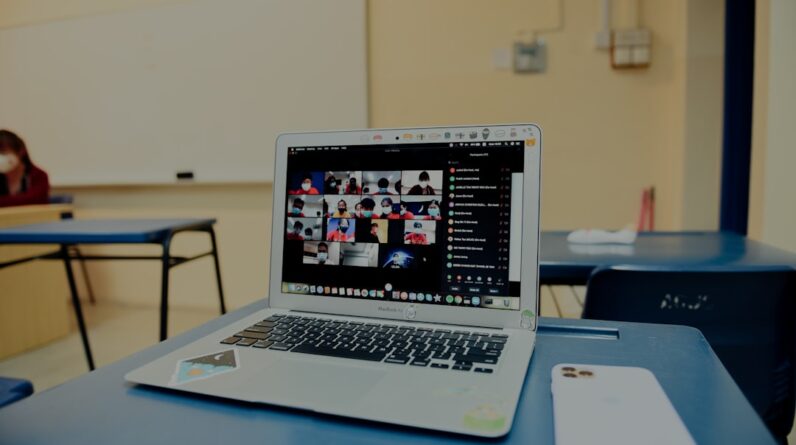
In addition to traditional classroom settings, consider online courses that focus on speaking skills through interactive platforms. These classes often incorporate technology such as video conferencing tools that facilitate real-time conversations with instructors and peers from around the world. The flexibility of online learning allows you to fit classes into your schedule while still receiving valuable instruction.
Setting Specific Goals for Spanish Speaking Practice
Setting specific goals for your Spanish speaking practice is vital for maintaining motivation and tracking progress over time. Start by identifying what aspects of speaking you want to improve—whether it’s fluency, vocabulary usage, or pronunciation—and create measurable objectives around those areas. For instance, aim to have a 10-minute conversation entirely in Spanish each week or learn five new vocabulary words related to a specific topic.
Regularly revisiting these goals will help keep you accountable and focused on your progress. Consider keeping a journal where you document your speaking experiences, challenges faced, and milestones achieved along the way. This reflective practice not only reinforces what you’ve learned but also serves as a source of encouragement as you witness how far you’ve come in your journey toward fluency in Spanish.
In conclusion, practicing your Spanish speaking skills is an essential part of becoming fluent in the language. By finding partners, joining groups, utilizing exchange programs, incorporating the language into daily life, consuming media in Spanish, reading extensively, focusing on pronunciation, taking classes, and setting specific goals, you’ll create a comprehensive approach that fosters growth and confidence in your speaking abilities. Embrace the journey ahead; every step taken brings you closer to mastering this beautiful language.
If you are looking to improve your language skills beyond Spanish, you may find the article 25 French Conjunctions: Bring Your Best Sentences Together helpful. This article explores the use of conjunctions in French to help you create more cohesive and complex sentences. It can be a great resource for those looking to enhance their French speaking and writing abilities.
FAQs
What are some effective ways to practice Spanish speaking?
Some effective ways to practice Spanish speaking include finding a language exchange partner, taking conversational Spanish classes, immersing yourself in Spanish-speaking environments, and practicing with native speakers.
How can I improve my Spanish speaking skills on my own?
You can improve your Spanish speaking skills on your own by regularly practicing speaking out loud, listening to Spanish podcasts or music, watching Spanish movies or TV shows, and using language learning apps or websites.
Are there any specific techniques to help with Spanish pronunciation?
Some specific techniques to help with Spanish pronunciation include practicing the sounds of the Spanish language, focusing on the rhythm and intonation of Spanish speech, and using tongue twisters or repeating phrases to improve pronunciation.
What are some common mistakes to avoid when practicing Spanish speaking?
Some common mistakes to avoid when practicing Spanish speaking include translating directly from English, neglecting to practice speaking out loud, and not seeking feedback from native speakers or language instructors.
How can I build my confidence in speaking Spanish?
You can build your confidence in speaking Spanish by practicing regularly, setting achievable goals for yourself, celebrating your progress, and seeking out supportive and encouraging language learning communities.