When you think about language acquisition, immersion stands out as one of the most effective methods for learning. By surrounding yourself and your family with the Spanish language, you create an environment that fosters natural learning. This approach not only enhances vocabulary and grammar skills but also deepens cultural understanding.
As you immerse yourself in Spanish at home, you are not just learning a language; you are embracing a rich heritage that can open doors to new experiences and connections. Moreover, language immersion at home can significantly boost your confidence in speaking and understanding Spanish. When you consistently hear and use the language in everyday situations, it becomes second nature.
This familiarity allows you to practice without the fear of making mistakes, which is often a barrier for many learners. By creating a Spanish-speaking environment, you empower yourself and your family to communicate more effectively and enjoyably.
Key Takeaways
- Spanish language immersion at home is important for developing fluency and proficiency in the language.
- Creating a Spanish-speaking environment in the home can be achieved through simple changes like labeling items in Spanish and using Spanish in daily conversations.
- Incorporating Spanish into daily routines and activities, such as cooking and playing games, can make language learning more natural and enjoyable.
- Using Spanish language learning resources and materials, such as books, apps, and online courses, can enhance language skills and knowledge.
- Practicing Spanish conversation and communication with native speakers or language partners is essential for improving speaking and listening skills.
Creating a Spanish-Speaking Environment in the Home
To cultivate a Spanish-speaking environment, start by integrating the language into your home decor and daily interactions. Label common household items in Spanish, such as “puerta” for door or “ventana” for window. This simple act not only reinforces vocabulary but also serves as a constant visual reminder of the language.
You can also designate specific times or areas in your home where only Spanish is spoken, encouraging everyone to practice and engage with the language. In addition to labeling items, consider incorporating Spanish into family activities. For instance, during mealtime, you can discuss the food in Spanish, describing flavors and ingredients.
This not only enriches your vocabulary but also makes learning fun and interactive. By making Spanish a part of your daily life, you create a supportive atmosphere that encourages everyone to participate and learn together.
Incorporating Spanish into Daily Routines and Activities

Daily routines offer a perfect opportunity to weave Spanish into your life seamlessly. Whether it’s during breakfast, getting ready for school, or winding down for the evening, you can incorporate Spanish phrases and vocabulary into these moments. For example, while preparing breakfast, you might say, “¿Qué quieres comer?” (What do you want to eat?) or while getting dressed, “¿Te gusta esta camisa?” (Do you like this shirt?).
These small interactions can significantly enhance your language skills over time. Additionally, consider planning family activities that revolve around the Spanish language. Cooking traditional Spanish dishes together can be an enjoyable way to learn new vocabulary related to food and cooking techniques.
You might even explore Spanish music or dance as part of your routine, allowing everyone to engage with the language in a lively and entertaining manner. By embedding Spanish into your daily life, you create a rich tapestry of learning experiences that resonate with everyone in your household.
Using Spanish Language Learning Resources and Materials
To support your immersion journey, it’s essential to utilize various language learning resources and materials. Books, apps, and online courses can provide structured learning opportunities that complement your everyday practice. Look for bilingual books that cater to different age groups within your family; these can be a great way to engage children while also challenging adults.
Reading together not only improves vocabulary but also fosters a love for storytelling in Spanish. In addition to books, consider using language learning apps that offer interactive exercises and games. These tools can make learning fun and engaging, especially for younger learners who may benefit from a more dynamic approach.
You can set aside time each week for family members to explore these resources together, turning language learning into a shared experience that strengthens bonds while enhancing skills.
Practicing Spanish Conversation and Communication
Practicing conversation is crucial for developing fluency in any language, including Spanish. To facilitate this practice at home, create opportunities for everyone to engage in dialogue. You might set aside specific times each week for family discussions entirely in Spanish.
Choose topics that interest everyone, allowing for lively exchanges that encourage participation from all ages. Additionally, consider role-playing scenarios that mimic real-life situations where Spanish would be used. For instance, you could simulate ordering food at a restaurant or asking for directions.
These exercises not only build confidence but also prepare you for actual conversations outside the home. By prioritizing communication practice, you enhance your ability to express thoughts and ideas clearly in Spanish.
Engaging in Spanish Language Media and Entertainment

Choose Content that Suits Your Family’s Interests
Choose content that aligns with your family’s interests; whether it’s animated series for kids or dramas for adults, there’s something for everyone.
Discuss and Reinforce Comprehension
As you watch together, discuss the plot and characters in Spanish to reinforce comprehension and vocabulary.
Music: A Fun and Powerful Language Learning Tool
Music is another powerful tool for language learning. Create playlists featuring popular Spanish songs across various genres. Singing along not only improves pronunciation but also makes learning feel like a fun activity rather than a chore. You might even explore music videos with lyrics displayed on-screen to enhance reading skills while enjoying catchy tunes. By engaging with media in Spanish, you immerse yourself in the language while having a great time.
Participating in Spanish Language Cultural Activities
Cultural activities provide an enriching context for language learning that goes beyond vocabulary and grammar. Seek out local events celebrating Hispanic culture, such as festivals, art exhibits, or cooking classes. Participating in these activities allows you to experience the language in its cultural setting while meeting new people who share similar interests.
Additionally, consider organizing cultural nights at home where you explore different aspects of Hispanic culture through food, music, and traditions. Each family member can take turns presenting on a specific country or cultural element, fostering curiosity and appreciation for the diversity within the Spanish-speaking world. These experiences not only enhance your language skills but also deepen your understanding of the cultures associated with the language.
Seeking Out Spanish Language Learning Opportunities in the Community
Your community may offer various resources for enhancing your Spanish language immersion experience. Look for local classes or conversation groups where you can practice speaking with others who are also learning or fluent in Spanish. These gatherings provide a supportive environment where you can build confidence and make new friends who share your passion for the language.
Libraries often host events or workshops focused on language learning as well. Check their schedules for storytime sessions in Spanish or book clubs that explore literature from Spanish-speaking authors. Engaging with these community resources not only enriches your learning experience but also connects you with others who are on similar journeys.
Setting Language Learning Goals and Tracking Progress
Establishing clear goals is essential for maintaining focus and motivation throughout your language immersion journey. Consider setting both short-term and long-term goals that are specific, measurable, achievable, relevant, and time-bound (SMART). For instance, you might aim to learn a certain number of new vocabulary words each week or hold a 10-minute conversation entirely in Spanish by the end of the month.
Tracking your progress is equally important as it allows you to celebrate milestones along the way. Keep a journal where you document new words learned, conversations held, or cultural experiences enjoyed in Spanish. Reflecting on these achievements can boost motivation and remind you of how far you’ve come on your journey toward fluency.
Overcoming Challenges and Staying Motivated in Spanish Language Immersion
Language learning is often accompanied by challenges that can test your resolve. You may encounter moments of frustration when struggling with pronunciation or grammar rules that seem complex. It’s essential to acknowledge these challenges as part of the learning process rather than obstacles that hinder progress.
Embrace mistakes as valuable opportunities for growth; they are stepping stones toward becoming more proficient in Spanish. To stay motivated during difficult times, remind yourself of the reasons why you embarked on this journey in the first place. Whether it’s connecting with family members who speak Spanish or exploring new cultures, keeping your goals at the forefront of your mind can reignite your passion for learning.
Surround yourself with supportive individuals who encourage your efforts and celebrate your successes along the way.
Celebrating Achievements and Progress in Spanish Language Immersion
As you navigate through your language immersion journey, take time to celebrate achievements—big or small! Recognizing progress reinforces positive behavior and motivates continued effort. Consider hosting a family celebration when reaching significant milestones such as completing a course or successfully conversing with a native speaker.
You might also create a visual representation of your progress by displaying certificates earned from classes or notes highlighting new vocabulary learned over time. This tangible reminder serves as motivation to keep pushing forward while fostering a sense of accomplishment within your household. By celebrating achievements together, you strengthen bonds while reinforcing the importance of language immersion as an enriching experience for everyone involved.
In conclusion, immersing yourself in the Spanish language at home is an enriching journey filled with opportunities for growth and connection. By creating an environment conducive to learning, incorporating daily practices, utilizing resources effectively, engaging with media and culture, seeking community involvement, setting goals, overcoming challenges, and celebrating achievements together as a family—you pave the way toward fluency while deepening relationships along the way. Embrace this adventure wholeheartedly; it will undoubtedly lead to rewarding experiences that last a lifetime!
If you are interested in exploring vocabulary building techniques to enhance your Spanish language immersion experience at home, you may want to check out the article on Vocabulary Alchemy: Transforming Words into Fluency. This article provides valuable insights on how to effectively expand your vocabulary and improve your language skills.
FAQs
What are Spanish language immersion techniques?
Spanish language immersion techniques are methods used to surround oneself with the Spanish language in order to improve fluency and comprehension. This can include activities such as watching Spanish-language TV shows and movies, listening to Spanish music, and speaking with native Spanish speakers.
How can I create a Spanish language immersion environment at home?
To create a Spanish language immersion environment at home, you can incorporate Spanish into your daily activities such as cooking with Spanish recipes, labeling household items with their Spanish names, and setting aside specific times for Spanish-only activities or conversations.
What are some effective Spanish language immersion resources for children?
Effective Spanish language immersion resources for children include Spanish-language books, educational apps and games, and interactive online programs. Additionally, exposing children to Spanish-speaking playmates or caregivers can also be beneficial.
Are there any online Spanish language immersion programs available?
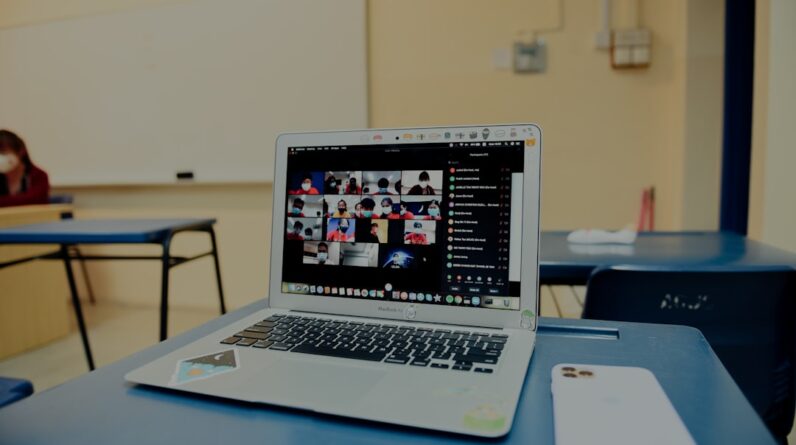
Yes, there are several online Spanish language immersion programs available that offer virtual classes, interactive activities, and opportunities for conversation practice with native Spanish speakers. These programs can be a convenient and effective way to immerse oneself in the Spanish language from home.
How can I practice Spanish language immersion if I don’t have access to native Spanish speakers?
If you don’t have access to native Spanish speakers, you can still practice Spanish language immersion by utilizing online language exchange platforms, joining virtual Spanish-speaking communities, and participating in language exchange events or meetups. Additionally, consuming Spanish-language media and practicing speaking and listening on your own can also be beneficial.