When you think about learning a new language, one of the most effective methods is immersion. By surrounding yourself with native speakers and the culture of the language, you can accelerate your learning process significantly. Imagine stepping off the plane in a vibrant Spanish-speaking country, where every street sign, menu, and conversation is in Spanish.
This environment forces you to adapt quickly, pushing you to use the language in real-life situations. You might find yourself ordering food at a local café, asking for directions, or engaging in small talk with shopkeepers. Each interaction becomes a valuable lesson, reinforcing your vocabulary and improving your pronunciation.
Moreover, immersion goes beyond just speaking; it encompasses the entire cultural experience. You can explore local traditions, music, and cuisine, all while practicing your language skills. Attending festivals or community events allows you to hear different dialects and slang, enriching your understanding of the language.
You may even find that your confidence grows as you navigate through daily life in Spanish. The more you engage with the culture, the more natural the language will feel to you. This holistic approach to learning not only enhances your linguistic abilities but also deepens your appreciation for the diverse cultures within the Spanish-speaking world.
Key Takeaways
- Immersion in Spanish-speaking countries provides the best opportunity to practice and improve language skills in a real-life setting.
- Interactive language apps and websites offer convenient and engaging ways to learn and practice Spanish at your own pace.
- Conversational practice with native speakers helps improve fluency and confidence in speaking Spanish.
- Audio and video language courses provide aural and visual learning experiences to enhance listening and comprehension skills.
- Reading Spanish literature and news exposes learners to authentic language usage and cultural insights.
Interactive Language Apps and Websites
In today’s digital age, interactive language apps and websites have revolutionized the way you can learn Spanish. These platforms offer a flexible and engaging way to practice your skills at your own pace. With just a smartphone or computer, you can access a wealth of resources that cater to various learning styles.
For instance, apps like Duolingo or Babbel provide gamified lessons that make learning fun and addictive. You can earn points, unlock levels, and even compete with friends, turning language learning into an enjoyable challenge. Additionally, many of these platforms incorporate speech recognition technology, allowing you to practice your pronunciation and receive instant feedback.
This feature is particularly beneficial for honing your speaking skills, as it helps you identify areas for improvement. Websites like Memrise and Rosetta Stone also offer interactive exercises that focus on vocabulary building and grammar practice. By utilizing these tools regularly, you can create a structured learning routine that fits seamlessly into your daily life.
The convenience of having language resources at your fingertips means you can practice whenever and wherever you choose.
Conversational Practice with Native Speakers
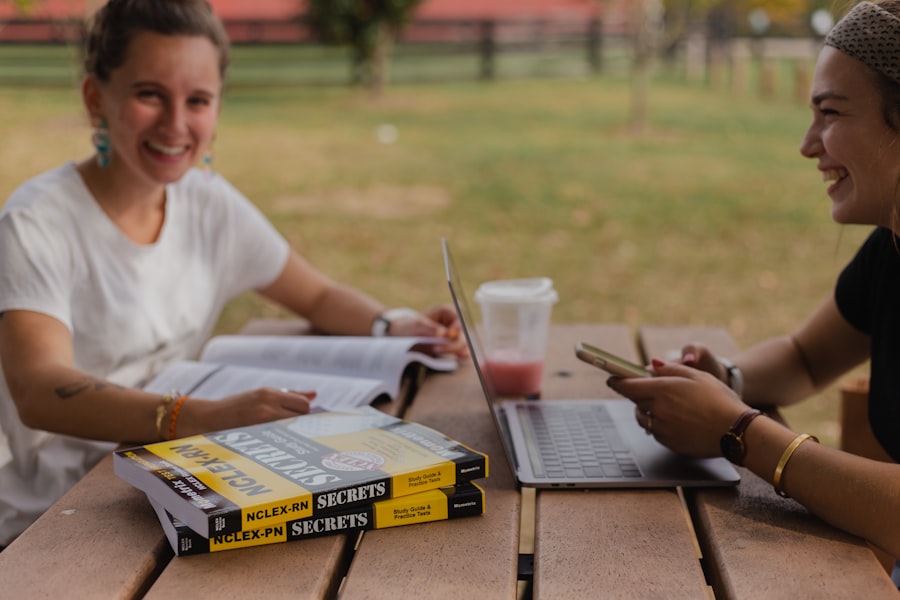
Engaging in conversational practice with native speakers is one of the most effective ways to enhance your Spanish skills. It allows you to apply what you’ve learned in a practical context while also exposing you to authentic language use. You might consider joining local language meetups or conversation clubs where you can interact with native speakers in a relaxed setting.
These gatherings often foster a supportive environment where everyone is eager to learn from one another, making it easier for you to practice without fear of making mistakes. If in-person meetups aren’t feasible, online platforms like Tandem or HelloTalk connect you with native speakers from around the world. These apps facilitate language exchange by allowing you to chat via text, voice, or video calls.
You can share your knowledge of English while learning Spanish in return. This reciprocal teaching method not only improves your conversational skills but also helps you understand cultural nuances and idiomatic expressions that textbooks often overlook. The more you converse with native speakers, the more comfortable you’ll become in expressing yourself fluently.
Audio and Video Language Courses
Audio and video language courses offer a dynamic way to learn Spanish while catering to different learning preferences. These resources allow you to absorb the language through listening and visual engagement, which can be particularly helpful for auditory and visual learners. Podcasts dedicated to Spanish language learning provide an excellent opportunity for you to immerse yourself in the language during your daily commute or while exercising.
You can listen to conversations on various topics, enhancing your listening comprehension and expanding your vocabulary. Video courses on platforms like YouTube or specialized websites often include visual aids that reinforce learning concepts. Watching native speakers in action helps you grasp pronunciation and intonation more effectively than reading alone.
Many channels also offer lessons on specific grammar points or cultural insights that enrich your understanding of the language contextually. By incorporating audio and video resources into your study routine, you create a multi-faceted approach that keeps your learning experience fresh and engaging.
Reading Spanish Literature and News
Diving into Spanish literature and news articles is another enriching way to improve your language skills while gaining insight into Hispanic culture. Reading novels by renowned authors such as Gabriel García Márquez or Isabel Allende exposes you to diverse writing styles and vocabulary. As you navigate through their narratives, you’ll encounter idiomatic expressions and cultural references that deepen your understanding of the language’s nuances.
You might start with simpler texts or children’s books before progressing to more complex literature, allowing you to build confidence along the way. In addition to fiction, reading news articles from Spanish-language newspapers or websites keeps you informed about current events while enhancing your vocabulary. This practice not only improves your reading comprehension but also familiarizes you with journalistic language and terminology specific to various fields such as politics, science, or culture.
By regularly engaging with written content in Spanish, you’ll develop a more sophisticated grasp of the language that will serve you well in both spoken and written communication.
Grammar Workbooks and Exercises

While conversational practice is essential for fluency, a solid understanding of grammar is equally important for mastering Spanish. Grammar workbooks provide structured exercises that help reinforce your knowledge of sentence structure, verb conjugations, and other grammatical rules. By dedicating time to complete these exercises, you’ll gain confidence in constructing sentences correctly and using appropriate tenses in conversation.
Many workbooks also include answer keys and explanations for each exercise, allowing you to learn from any mistakes you make along the way. This self-paced approach enables you to focus on areas where you may struggle while gradually building a strong grammatical foundation. Additionally, online resources often offer interactive grammar exercises that provide instant feedback, making it easier for you to track your progress over time.
By integrating grammar workbooks into your study routine, you’ll enhance your overall proficiency in Spanish.
Watching Spanish TV Shows and Movies
One of the most enjoyable ways to immerse yourself in the Spanish language is by watching TV shows and movies in Spanish. This method not only entertains but also exposes you to authentic dialogue and cultural references that enrich your understanding of the language. You might start with popular series like “La Casa de Papel” (Money Heist) or “Narcos,” which have gained international acclaim for their gripping storylines and engaging characters.
Watching these shows with subtitles can help bridge the gap between comprehension and fluency as you familiarize yourself with colloquial expressions. As you become more comfortable with the language, consider switching off the subtitles or opting for Spanish subtitles instead. This challenge will push you to rely on your listening skills while still providing visual context through written words.
Additionally, films from various Spanish-speaking countries showcase different accents and dialects, broadening your exposure to the diversity within the language itself. By incorporating this form of entertainment into your learning routine, you’ll find yourself picking up new vocabulary and phrases effortlessly while enjoying captivating stories.
Vocabulary Flashcards and Memory Games
Building a robust vocabulary is crucial for effective communication in any language, and using flashcards and memory games can make this process both fun and efficient. Flashcards allow you to create personalized study materials tailored to your learning needs. You can write down new words on one side and their meanings or translations on the other side, making it easy to test yourself regularly.
Digital flashcard apps like Anki or Quizlet take this concept further by incorporating spaced repetition algorithms that optimize your learning process. Memory games are another engaging way to reinforce vocabulary retention. You might play matching games where you pair words with their definitions or images, turning vocabulary building into an interactive experience.
These activities stimulate different areas of your brain, making it easier for you to recall words when needed. By consistently practicing with flashcards and memory games, you’ll expand your vocabulary significantly while enjoying the process of learning.
Participating in Language Exchange Programs
Language exchange programs offer an excellent opportunity for you to practice Spanish while helping others learn English or another language you’re proficient in. These programs often pair individuals based on their language goals, creating a mutually beneficial learning environment. You might meet someone who is eager to improve their English skills while they help you refine your Spanish through conversation practice.
Participating in these exchanges can take various forms—whether through structured meetups at local cafes or online platforms that facilitate virtual conversations via video calls or chat rooms. The informal nature of these exchanges allows for relaxed discussions where both parties can ask questions and share cultural insights. This interaction not only enhances your speaking skills but also fosters friendships that can last beyond the language-learning experience.
Attending Spanish Language Classes or Workshops
Enrolling in Spanish language classes or workshops provides a structured approach to learning that many find beneficial. These classes often cater to different proficiency levels, allowing you to join a group of learners who share similar goals. With experienced instructors guiding the lessons, you’ll receive valuable feedback on your pronunciation and grammar usage while engaging in interactive activities designed to reinforce what you’ve learned.
Workshops may focus on specific aspects of the language—such as conversational skills or writing techniques—allowing you to tailor your learning experience further. Additionally, being part of a classroom environment fosters accountability; knowing that you’ll be participating in discussions encourages regular practice outside of class hours. The camaraderie among classmates can also motivate you to stay committed to your language-learning journey.
Using Spanish Language Learning Software and Programs
Finally, utilizing specialized software and programs designed for language learning can significantly enhance your Spanish proficiency. Many of these programs offer comprehensive curricula that cover all aspects of language acquisition—listening, speaking, reading, and writing—ensuring a well-rounded approach to learning. Software like Rosetta Stone or Pimsleur employs immersive techniques that encourage natural language acquisition through context rather than rote memorization.
These programs often include interactive exercises that adapt to your skill level, providing personalized feedback as you progress through lessons at your own pace. Additionally, many software options come equipped with mobile applications that allow for on-the-go learning—perfect for busy schedules or travel situations where traditional study methods may not be feasible. By incorporating these tools into your routine, you’ll create a dynamic learning experience that keeps you engaged while steadily improving your command of the Spanish language.
In conclusion, mastering Spanish requires dedication and a multifaceted approach that combines various methods tailored to your personal preferences and goals. Whether through immersion experiences in Spanish-speaking countries or utilizing modern technology like apps and software, each strategy contributes uniquely to your journey toward fluency. Embrace these diverse resources as they will not only enhance your linguistic abilities but also enrich your understanding of the vibrant cultures associated with the Spanish language.
If you are looking to enhance your vocabulary while learning Spanish, you may find the article “Are There Specific Strategies for Building Vocabulary When Learning a New Language as an Adult?” from Learning New Language to be helpful. This article discusses various techniques and approaches that can be used to effectively expand your vocabulary in a new language. By incorporating these strategies into your Spanish learning routine, you can improve your language skills and become more proficient in Spanish.
FAQs
What are the most effective Spanish learning methods?
Some of the most effective Spanish learning methods include immersion, conversational practice, using language learning apps, taking classes or lessons, and practicing with native speakers.
Is immersion an effective method for learning Spanish?
Yes, immersion is considered one of the most effective methods for learning Spanish as it involves surrounding yourself with the language and culture, which can greatly improve language acquisition.
How can conversational practice help in learning Spanish?
Conversational practice allows learners to apply their language skills in real-life situations, helping them improve their speaking and listening abilities in Spanish.
Are language learning apps effective for learning Spanish?
Yes, language learning apps can be effective for learning Spanish as they provide interactive lessons, vocabulary practice, and often incorporate speaking and listening exercises.
Is taking classes or lessons a good way to learn Spanish?
Yes, taking classes or lessons with a qualified instructor can be an effective way to learn Spanish, as it provides structured learning, feedback, and guidance from a professional.
How can practicing with native speakers help in learning Spanish?
Practicing with native speakers can help learners improve their pronunciation, fluency, and cultural understanding of the Spanish language, making it an effective learning method.