
Embarking on the journey of learning Spanish can be both exciting and daunting. With over 460 million native speakers worldwide, Spanish is not only a beautiful language but also a valuable skill that opens doors to diverse cultures and opportunities. However, without a structured approach, you may find it challenging to make consistent progress.
This is where a Spanish language learning schedule template comes into play. By creating a personalized schedule, you can effectively manage your time, set clear objectives, and ensure that you are dedicating the right amount of effort to each aspect of language acquisition. A well-structured schedule serves as a roadmap for your learning journey.
It helps you allocate time for various activities, such as vocabulary building, grammar practice, and conversational exercises. Moreover, having a template allows you to visualize your progress and stay organized. Whether you are a complete beginner or looking to refine your skills, a tailored schedule can significantly enhance your learning experience and keep you motivated throughout the process.
Key Takeaways
- Setting specific, achievable goals is crucial for effective Spanish language learning.
- A well-structured weekly schedule can help you stay organized and consistent in your language learning journey.
- Choosing the right resources, such as textbooks, online courses, and language exchange partners, is essential for successful Spanish language learning.
- Incorporating speaking and listening practice into your schedule is key to improving your language skills.
- Balancing grammar and vocabulary practice is important for a well-rounded Spanish language learning experience.
Setting Goals for Spanish Language Learning
Defining Your Objectives
Before diving into the intricacies of the Spanish language, it is essential to set clear and achievable goals. Think about what you want to accomplish with your language learning journey. Are you aiming for conversational fluency, or do you want to read Spanish literature? Perhaps you need Spanish for travel or work-related purposes.
Tailoring Your Study Plan
By defining your objectives, you can tailor your study plan to meet your specific needs. Once you have established your goals, break them down into smaller, manageable milestones. This approach will help you stay focused and motivated throughout your language learning journey.
Achieving Success through Milestones
For instance, if your ultimate aim is to hold a conversation in Spanish within six months, set monthly targets such as learning a certain number of vocabulary words or mastering specific grammatical structures. This approach not only makes your goals feel more attainable but also provides you with a sense of accomplishment as you reach each milestone along the way.
Creating a Weekly Schedule for Spanish Language Learning
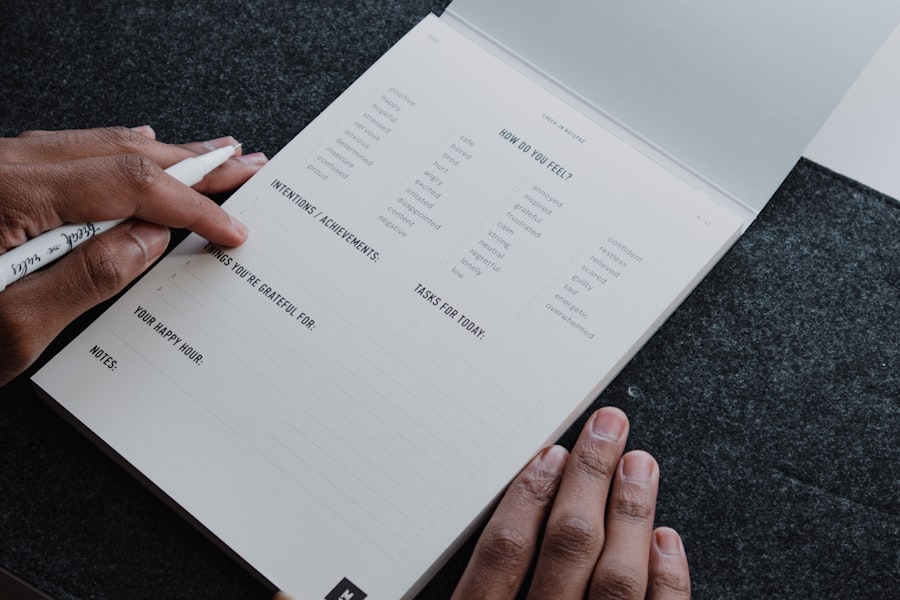
Creating a weekly schedule is crucial for maintaining consistency in your Spanish language learning. Start by assessing how much time you can realistically dedicate to studying each week. Consider your other commitments and responsibilities, and carve out specific time slots for language practice.
Whether it’s 30 minutes a day or a few hours on the weekends, consistency is key. Once you have determined your available time, outline your weekly schedule by allocating different activities to each day. For example, you might focus on vocabulary on Mondays, grammar on Tuesdays, and listening practice on Wednesdays.
This variety keeps your learning fresh and engaging while ensuring that you cover all essential aspects of the language. Additionally, don’t forget to include some flexibility in your schedule; life can be unpredictable, and it’s important to adapt as needed without feeling discouraged.
Choosing the Right Resources for Spanish Language Learning
Selecting the right resources is vital for effective language learning. With an abundance of materials available—ranging from textbooks and online courses to mobile apps and podcasts—it’s essential to choose those that align with your learning style and goals. If you prefer structured lessons, consider enrolling in an online course or using a textbook that offers comprehensive explanations and exercises.
On the other hand, if you thrive on interactive learning, explore language exchange platforms or mobile apps that facilitate conversation practice with native speakers. Podcasts and YouTube channels can also be excellent resources for improving your listening skills and immersing yourself in the language. Ultimately, the best resources are those that keep you engaged and motivated while providing the necessary tools to enhance your proficiency.
Incorporating Speaking and Listening Practice into Your Schedule
While reading and writing are important components of language learning, speaking and listening are equally crucial for achieving fluency. To incorporate these skills into your schedule, consider setting aside dedicated time for conversation practice. This could involve finding a language partner or joining a local conversation group where you can practice speaking with others.
Listening practice is just as vital; immerse yourself in the language by listening to Spanish music, watching movies or TV shows, or tuning into Spanish-language podcasts. Aim to expose yourself to different accents and dialects to develop a well-rounded understanding of the language. By prioritizing speaking and listening in your schedule, you’ll build confidence in your conversational abilities and improve your overall comprehension.
Balancing Grammar and Vocabulary Practice in Your Schedule

A successful language learning journey requires a balance between grammar and vocabulary practice. While vocabulary provides the building blocks for communication, grammar helps you structure sentences correctly. To achieve this balance in your schedule, allocate specific days or sessions for each focus area.
For instance, you might dedicate Mondays to vocabulary acquisition through flashcards or word lists while reserving Wednesdays for grammar exercises that reinforce what you’ve learned. Additionally, try to integrate both elements into your speaking and writing practice. For example, when practicing conversation, consciously apply new vocabulary words and grammatical structures you’ve studied.
This holistic approach will deepen your understanding of the language and enhance your ability to communicate effectively.
Finding Time for Spanish Language Learning in a Busy Schedule
In today’s fast-paced world, finding time for language learning can be challenging. However, with some creativity and planning, you can seamlessly integrate Spanish practice into your daily routine. Start by identifying pockets of time throughout your day—perhaps during your commute, lunch breaks, or even while waiting in line.
Consider using mobile apps that allow you to practice vocabulary or grammar exercises on-the-go. Listening to Spanish podcasts or audiobooks during your commute can also be an effective way to maximize your time. Additionally, try setting small daily goals that require minimal time commitment; even 10-15 minutes of focused practice can yield significant results over time.
By making language learning a part of your daily life, you’ll find it easier to stay consistent and motivated.
Tracking Your Progress and Adjusting Your Schedule
Tracking your progress is an essential aspect of any successful language learning journey. By keeping a record of what you’ve accomplished—whether it’s vocabulary learned, grammar concepts mastered, or hours spent practicing—you can gain valuable insights into your strengths and areas that need improvement. Consider maintaining a journal or using digital tools to log your achievements regularly.
As you track your progress, be open to adjusting your schedule as needed. If you find that certain activities are particularly effective or enjoyable, allocate more time to them in your routine. Conversely, if something isn’t working as well as you’d hoped, don’t hesitate to modify or replace it with alternative resources or methods.
Flexibility is key; adapting your schedule based on what works best for you will ultimately lead to more effective learning outcomes.
Staying Motivated and Consistent in Your Spanish Language Learning
Maintaining motivation throughout your language learning journey can be challenging at times. To stay inspired, remind yourself of the reasons why you started learning Spanish in the first place—whether it’s for travel, career advancement, or personal enrichment. Setting short-term rewards for achieving milestones can also help keep your spirits high; treat yourself when you reach specific goals.
Additionally, consider incorporating fun activities into your schedule that align with your interests. For example, if you enjoy cooking, try following Spanish recipes or watching cooking shows in Spanish. Engaging with the culture through music, films, or literature can also reignite your passion for the language.
By making learning enjoyable and relevant to your life, you’ll find it easier to remain consistent in your efforts.
Seeking Support and Accountability for Your Language Learning Journey
Learning a new language can sometimes feel isolating; however, seeking support from others can significantly enhance your experience. Consider joining online forums or local language groups where you can connect with fellow learners who share similar goals. Engaging with others not only provides motivation but also offers opportunities for practice and feedback.
Accountability partners can also play a crucial role in keeping you on track. Find someone who shares your interest in learning Spanish—whether it’s a friend or a fellow student—and commit to regular check-ins where you discuss progress and challenges. This mutual support system can help maintain motivation and encourage consistent practice as you navigate the ups and downs of language learning together.
The Importance of a Structured Schedule for Spanish Language Learning
In conclusion, establishing a structured schedule is vital for anyone embarking on the journey of learning Spanish. A well-organized plan allows you to set clear goals, allocate time effectively across various skills, and track progress along the way. By incorporating speaking and listening practice while balancing grammar and vocabulary exercises, you’ll create a comprehensive approach that fosters fluency.
Moreover, finding ways to integrate language learning into your busy life ensures that you remain consistent and motivated throughout the process. Remember that flexibility is key; adjust your schedule as needed based on what works best for you while seeking support from others along the way. With dedication and a structured approach, you’ll find yourself making significant strides in mastering the beautiful Spanish language.
If you are looking for strategies to retain vocabulary and language skills over time while learning Spanish, you may find the article What Strategies Can Language Learners Use to Retain Vocabulary and Language Skills Over Time? helpful. This article discusses various techniques that language learners can implement to ensure long-term retention of language knowledge. By incorporating these strategies into your Spanish language learning schedule template, you can enhance your ability to remember and use new vocabulary effectively.
FAQs
What is a Spanish Language Learning Schedule Template?
A Spanish Language Learning Schedule Template is a pre-designed document that helps learners organize and plan their study time for learning the Spanish language. It typically includes sections for daily, weekly, and monthly goals, as well as specific activities and resources to use.
How can a Spanish Language Learning Schedule Template help with language learning?
A Spanish Language Learning Schedule Template can help learners stay organized and focused on their language learning goals. It provides a structured plan for studying, practicing, and immersing oneself in the Spanish language, which can lead to more efficient and effective learning.
What are the typical components of a Spanish Language Learning Schedule Template?
A Spanish Language Learning Schedule Template usually includes sections for setting goals, planning study time, incorporating language practice activities (such as speaking, listening, reading, and writing), and utilizing resources like textbooks, online courses, language exchange partners, and cultural immersion experiences.
How can I use a Spanish Language Learning Schedule Template effectively?
To use a Spanish Language Learning Schedule Template effectively, it’s important to set realistic and achievable goals, allocate specific time slots for language study and practice, and regularly review and adjust the schedule as needed. Consistency and dedication to following the schedule are key to successful language learning.