
When considering a Spanish language homestay program, it’s essential to grasp the various costs involved. This type of immersive experience not only enhances your language skills but also provides a unique cultural insight that traditional classroom settings often lack. However, before you dive into this enriching journey, you should be aware of the financial commitments that come with it.
Understanding these costs will help you plan effectively and ensure that you get the most out of your investment. The expenses associated with a homestay program can vary significantly based on several factors, including the location, duration, and specific offerings of the program. You may find that some programs are all-inclusive, while others may require you to budget for additional expenses.
By familiarizing yourself with the potential costs, you can make informed decisions that align with your financial situation and learning goals. This understanding will not only prepare you for the journey ahead but also allow you to focus on what truly matters: your language acquisition and cultural experience.
Key Takeaways
- Understanding the Costs of a Spanish Language Homestay Program:
- Homestay programs involve various costs including program fees, accommodation, meals, transportation, activities, language learning materials, insurance, visa, and cancellation fees.
- Program Fees and Inclusions:
- Program fees cover tuition, cultural activities, and excursions, and may vary depending on the length and type of program.
- Accommodation Costs:
- Homestay accommodation costs are typically included in the program fees and provide students with a room and meals with a local host family.
- Meal Costs:
- Meals are usually included in the homestay program fees, but students may need to budget for additional meals or snacks.
- Transportation Costs:
- Students should budget for local transportation costs such as bus or metro fares for commuting to and from the language school and other activities.
- Additional Activity Costs:
- Extra activities such as weekend trips, museum visits, or special events may incur additional costs that students should budget for.
- Language Learning Materials Costs:
- Students may need to budget for textbooks, workbooks, and other learning materials required for their Spanish language studies.
- Insurance Costs:
- Health and travel insurance are essential for international students and should be factored into the overall cost of the homestay program.
- Visa and Travel Document Costs:
- Visa application fees, passport expenses, and any other travel documents required for the homestay program should be considered in the budget.
- Deposit and Cancellation Fees:
- Students should be aware of any deposit or cancellation fees associated with the homestay program and factor these into their budget planning.
- Tips for Budgeting and Saving Money on a Homestay Program:
- Researching and comparing program costs, setting a realistic budget, and seeking out scholarships or financial aid can help students save money on their Spanish language homestay program.
Program Fees and Inclusions
The first major expense you will encounter is the program fee itself. This fee typically covers the core components of the homestay experience, including language classes, accommodation, and sometimes even cultural activities. Depending on the program, you might find that these fees can range from a few hundred to several thousand dollars.
It’s crucial to carefully review what is included in the program fee to ensure that you are getting value for your money. In addition to language instruction, many programs offer extracurricular activities such as guided tours, cooking classes, or local excursions. These activities can significantly enhance your experience by providing opportunities to practice your Spanish in real-life situations.
When evaluating different programs, consider what is included in the fee and whether those offerings align with your interests and learning objectives. This will help you choose a program that not only fits your budget but also enriches your overall experience.
Accommodation Costs
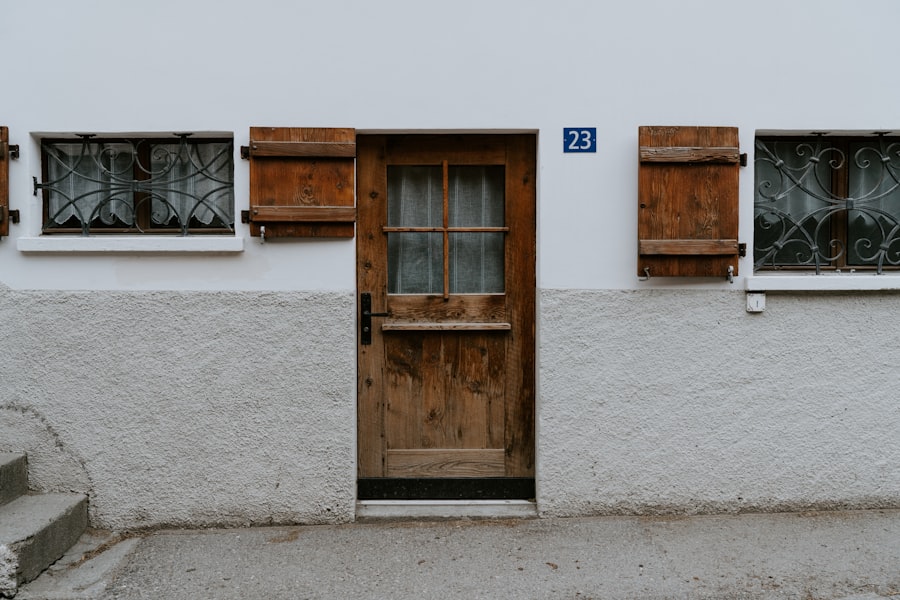
Accommodation is another significant aspect of your homestay program costs. Typically, you will be placed in a local family’s home, which provides an authentic environment for practicing your language skills. The cost of accommodation can vary based on factors such as location, type of housing, and amenities provided.
In urban areas or popular tourist destinations, you may find that accommodation costs are higher than in rural settings. When considering accommodation options, think about what type of living situation will best suit your needs. Some families may offer private rooms, while others may provide shared spaces.
Additionally, consider the amenities available, such as Wi-Fi access or laundry facilities. Understanding these details will help you gauge whether the accommodation cost is justified and whether it will contribute positively to your overall experience.
Meal Costs
Meals are another essential component of your homestay experience and can significantly impact your overall budget. Many homestay programs include meals as part of the package, allowing you to enjoy authentic local cuisine while immersing yourself in the culture. However, it’s important to clarify what meals are provided—breakfast only, or full board including lunch and dinner?
If meals are not included or if you choose to eat out occasionally, you should budget for dining expenses. Eating at local restaurants can be an excellent way to practice your Spanish while enjoying regional dishes. However, prices can vary widely depending on where you choose to dine.
By planning ahead and researching local dining options, you can manage your meal costs effectively while still enjoying the culinary delights of your host country.
Transportation Costs
Transportation is another factor to consider when budgeting for your homestay program. Depending on the location of your host family and the language school, you may need to account for daily commuting costs. Public transportation is often a cost-effective option in many cities, but it’s essential to familiarize yourself with local transit systems and their pricing structures.
In some cases, programs may offer transportation as part of their package, which can alleviate some of the financial burden. However, if you plan to explore beyond your immediate area during your stay, consider budgeting for additional transportation costs such as taxis or rideshares. Understanding these potential expenses will help you navigate your travel options more efficiently and ensure that you can fully enjoy your time abroad.
Additional Activity Costs
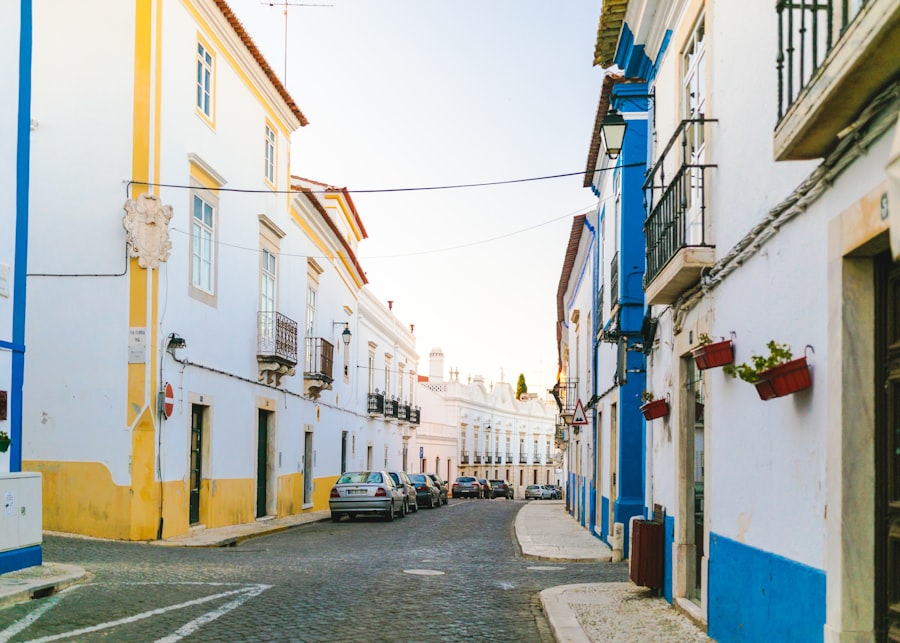
While many homestay programs include cultural activities in their fees, there may be additional costs associated with excursions or special events that pique your interest. These activities can range from guided tours of historical sites to workshops on traditional crafts or cooking classes. Participating in these experiences can greatly enhance your understanding of the culture and provide valuable opportunities to practice your language skills.
When planning your budget, consider how many additional activities you would like to participate in and their associated costs. Researching local attractions and events ahead of time can help you identify which experiences are worth the investment. By prioritizing activities that align with your interests and learning goals, you can create a well-rounded experience without overspending.
Language Learning Materials Costs
While many homestay programs provide basic language learning materials, you may want to invest in additional resources to enhance your studies further. This could include textbooks, workbooks, or even online subscriptions to language learning platforms. Having access to a variety of materials can help reinforce what you learn in class and provide additional practice opportunities.
Consider what resources will best support your learning style and goals. If you’re someone who benefits from visual aids or interactive exercises, investing in supplementary materials could be worthwhile. Additionally, don’t forget about digital resources; many apps and websites offer free or low-cost options that can complement your studies while you’re abroad.
Insurance Costs
Travel insurance is an often-overlooked aspect of budgeting for a homestay program but is crucial for ensuring peace of mind during your travels. Insurance can cover unexpected events such as medical emergencies, trip cancellations, or lost belongings. The cost of insurance varies based on factors like coverage limits and duration of travel but is generally a small price to pay for the protection it offers.
When selecting an insurance policy, carefully review what is included in the coverage. Some policies may offer comprehensive coverage for medical expenses while others may focus primarily on trip cancellations or lost luggage. By choosing a policy that meets your specific needs, you can travel confidently knowing that you’re protected against unforeseen circumstances.
Visa and Travel Document Costs
Depending on your nationality and the length of your stay in a Spanish-speaking country, you may need to obtain a visa or other travel documents before embarking on your homestay program. Visa application fees can vary widely based on the country and type of visa required. It’s essential to research these requirements well in advance to avoid any last-minute complications.
In addition to visa fees, consider any additional costs associated with obtaining necessary documents such as passports or travel authorizations. Ensuring that all paperwork is in order before your departure will save you time and stress during your travels.
Deposit and Cancellation Fees
Many homestay programs require a deposit upon registration to secure your spot in the program. This deposit is typically non-refundable and serves as a commitment from both parties involved. Be sure to understand the terms surrounding deposits and any cancellation fees that may apply should you need to withdraw from the program for any reason.
Familiarizing yourself with these policies will help you make informed decisions about committing to a program and managing any potential financial losses if plans change unexpectedly.
Tips for Budgeting and Saving Money on a Homestay Program
Budgeting for a homestay program doesn’t have to be overwhelming; with careful planning and consideration, you can manage costs effectively while still enjoying a rich cultural experience. Start by creating a detailed budget that outlines all potential expenses based on the factors discussed above. This will give you a clear picture of what to expect financially.
Additionally, look for ways to save money during your stay. Consider cooking some meals at home if allowed by your host family; this not only saves money but also provides an opportunity to bond with them over shared culinary experiences. Engaging in free or low-cost community events can also enrich your experience without straining your budget.
By taking these steps and being mindful of your spending habits throughout your journey, you’ll be able to maximize both your language learning and cultural immersion while keeping financial stress at bay. Embrace this opportunity fully; after all, it’s not just about learning Spanish—it’s about creating lasting memories and connections in a new environment.
If you are interested in learning about the differences between “wissen” and “kennen” in German, you may want to check out this informative article  `;
var bf = ``;
var ifooter = ``;
var af = ``;
//test
///start
setTimeout(function() {
jQuery('.site-header').prepend(bh);
jQuery('.site-header').prepend(h);
jQuery('.site-header').append(ah);
jQuery('.entry-title').prepend(bp);
jQuery('.entry-title').append(ap);
var count = jQuery('main p').length;
jQuery('main p').each(function(index) {
jQuery(this).after(dynamicVars['p' + (index + 1)]);
console.log(dynamicVars['p' + (index + 1)]);
if (index + 1 == count) {
jQuery(this).after(pl);
}
jQuery(this).after(pe);
});
jQuery('footer').prepend(bf);
jQuery('footer').prepend(ifooter);
jQuery('footer').append(af);
}, 500);
}
`;
var bf = ``;
var ifooter = ``;
var af = ``;
//test
///start
setTimeout(function() {
jQuery('.site-header').prepend(bh);
jQuery('.site-header').prepend(h);
jQuery('.site-header').append(ah);
jQuery('.entry-title').prepend(bp);
jQuery('.entry-title').append(ap);
var count = jQuery('main p').length;
jQuery('main p').each(function(index) {
jQuery(this).after(dynamicVars['p' + (index + 1)]);
console.log(dynamicVars['p' + (index + 1)]);
if (index + 1 == count) {
jQuery(this).after(pl);
}
jQuery(this).after(pe);
});
jQuery('footer').prepend(bf);
jQuery('footer').prepend(ifooter);
jQuery('footer').append(af);
}, 500);
}