In an increasingly interconnected world, the ability to communicate in multiple languages has become a valuable asset. Among these languages, Spanish stands out as one of the most widely spoken languages globally, making it a popular choice for learners. Imagine stepping into a virtual environment where you can practice your Spanish skills in real-time, interacting with native speakers and experiencing the culture firsthand.
This is precisely what the Spanish Language Virtual Reality Program offers. By leveraging cutting-edge technology, this program immerses you in a dynamic learning experience that transcends traditional classroom settings. The program is designed to cater to learners of all levels, from complete beginners to those looking to refine their skills.
With its innovative approach, you can engage with the language in a way that feels natural and intuitive. The virtual reality aspect allows you to practice speaking, listening, and even reading in a variety of contexts, making the learning process not only effective but also enjoyable. As you navigate through different scenarios, you will find yourself picking up vocabulary and grammar rules without the tedious memorization often associated with language learning.
Key Takeaways
- Introduction to Spanish Language Virtual Reality Program:
- Introduces the concept of a virtual reality program for learning Spanish
- The Benefits of Learning Spanish through Virtual Reality:
- Discusses the advantages of using virtual reality for language learning
- How the Program Works: A Step-by-Step Guide:
- Provides a detailed overview of the program’s functionality and user experience
- The Role of Immersion in Language Learning:
- Explains the importance of immersion in language acquisition and how the program facilitates it
- Customizing the Learning Experience: Features of the Program:
- Highlights the customizable features of the program for personalized learning
- The Importance of Pronunciation and Accent in Spanish:
- Emphasizes the significance of pronunciation and accent in mastering the Spanish language
- Tracking Progress and Assessing Proficiency in Spanish:
- Describes the tools and methods for monitoring progress and evaluating language proficiency
- Incorporating Cultural Context into Language Learning:
- Explores how the program integrates cultural context to enhance language learning
- Overcoming Challenges and Obstacles in Virtual Reality Language Learning:
- Addresses common challenges and provides strategies for overcoming them in virtual reality language learning
- Testimonials and Success Stories from Users of the Program:
- Shares real-life experiences and success stories from users of the virtual reality language program
- Future Developments and Expansion of the Spanish Language Virtual Reality Program:
- Discusses plans for future developments and expansion of the program to reach more learners
The Benefits of Learning Spanish through Virtual Reality
One of the most significant advantages of learning Spanish through virtual reality is the immersive experience it provides. Unlike traditional methods that often rely on textbooks and rote memorization, virtual reality places you in realistic situations where you can apply what you’ve learned. This immersive environment helps reinforce your understanding of the language, as you are not just passively absorbing information but actively using it in context.
You will find that your retention improves significantly when you can associate words and phrases with real-life scenarios. Additionally, virtual reality allows for a level of engagement that is hard to replicate in a conventional classroom. You can practice speaking with avatars or even interact with other learners from around the world.
This social aspect of learning is crucial, as it encourages you to step out of your comfort zone and use your language skills in a supportive environment. The program also adapts to your pace, ensuring that you are challenged without feeling overwhelmed, which is essential for maintaining motivation and enthusiasm for learning.
How the Program Works: A Step-by-Step Guide

Getting started with the Spanish Language Virtual Reality Program is straightforward and user-friendly. First, you will need to set up your virtual reality headset and download the program application. Once installed, you will create a profile that allows the program to tailor the experience to your specific needs and goals.
This initial setup is crucial as it helps the program understand your current proficiency level and areas where you may need additional support. After setting up your profile, you will be introduced to various modules that cover different aspects of the Spanish language. These modules are designed to be interactive and engaging, featuring scenarios such as ordering food at a restaurant, asking for directions, or participating in a cultural festival.
As you progress through these modules, you will encounter quizzes and challenges that test your understanding and encourage you to apply what you’ve learned. The step-by-step approach ensures that you build a solid foundation before moving on to more complex topics.
The Role of Immersion in Language Learning
Immersion is a key component of effective language learning, and the Spanish Language Virtual Reality Program excels in this area. By placing you in lifelike situations where Spanish is spoken, the program mimics the experience of living in a Spanish-speaking country. This immersion helps you develop not only your vocabulary but also your listening skills and cultural understanding.
You will find yourself picking up nuances in pronunciation and colloquial expressions that are often overlooked in traditional learning environments. Moreover, immersion fosters a sense of urgency and necessity when it comes to using the language. In real-life situations, you cannot rely on translations or dictionaries; instead, you must think on your feet and respond in real time.
This pressure can be daunting at first, but it ultimately leads to greater confidence in your abilities. As you navigate through various scenarios in the virtual world, you will find that your brain begins to adapt to thinking in Spanish rather than translating from your native language.
Customizing the Learning Experience: Features of the Program
One of the standout features of the Spanish Language Virtual Reality Program is its ability to customize the learning experience based on individual preferences and goals. Upon entering the program, you will have access to various settings that allow you to adjust difficulty levels, choose specific topics of interest, and even select different accents or dialects to focus on. This level of customization ensures that your learning experience is tailored to your unique needs, making it more relevant and engaging.
Additionally, the program includes various interactive tools that enhance your learning experience. For instance, you can access a virtual dictionary that provides instant translations and examples of usage within context. There are also pronunciation guides that help you refine your accent and intonation as you practice speaking.
These features work together to create a comprehensive learning environment where you can explore the language at your own pace while receiving immediate feedback on your progress.
The Importance of Pronunciation and Accent in Spanish

When learning Spanish, mastering pronunciation and accent is crucial for effective communication. The Spanish Language Virtual Reality Program places significant emphasis on these aspects by incorporating voice recognition technology that evaluates your speech in real time. This feature allows you to practice speaking aloud while receiving instant feedback on your pronunciation accuracy.
You will find that this immediate correction helps you adjust your speech patterns more quickly than traditional methods. Furthermore, understanding regional accents can greatly enhance your comprehension skills. Spanish is spoken in various countries, each with its unique dialects and pronunciations.
The program offers options for learners to focus on specific accents—be it Castilian from Spain or Latin American variations—allowing you to become familiar with different ways of speaking. This exposure not only improves your listening skills but also prepares you for real-world conversations with native speakers from diverse backgrounds.
Tracking Progress and Assessing Proficiency in Spanish
An essential aspect of any language-learning program is tracking progress and assessing proficiency levels. The Spanish Language Virtual Reality Program includes built-in analytics that monitor your performance throughout various modules. You will receive detailed reports on areas where you excel and those that may require additional focus.
This data-driven approach allows you to set realistic goals and celebrate milestones as you advance through your learning journey. Moreover, periodic assessments are integrated into the program to evaluate your overall proficiency in Spanish. These assessments are designed to mimic real-life scenarios where you must demonstrate your ability to understand and communicate effectively in the language.
By regularly testing your skills, you can identify strengths and weaknesses while gaining confidence in your abilities as a Spanish speaker.
Incorporating Cultural Context into Language Learning
Language is deeply intertwined with culture, and understanding this connection is vital for effective communication. The Spanish Language Virtual Reality Program goes beyond mere vocabulary and grammar by incorporating cultural context into its lessons. As you navigate through different scenarios, you will encounter cultural references, traditions, and social norms that enrich your understanding of the language.
For instance, while practicing ordering food at a restaurant, you may learn about traditional dishes from various Spanish-speaking countries or discover dining etiquette unique to each culture. This cultural immersion not only enhances your language skills but also fosters a deeper appreciation for the diverse communities that speak Spanish around the world. By understanding cultural nuances, you will be better equipped to engage in meaningful conversations with native speakers.
Overcoming Challenges and Obstacles in Virtual Reality Language Learning
While virtual reality offers an innovative approach to language learning, it is not without its challenges. Some learners may initially feel overwhelmed by the immersive environment or struggle with technical issues related to their VR equipment. However, these obstacles can be overcome with patience and practice.
The program provides tutorials and support resources to help users navigate any difficulties they may encounter. Additionally, some learners may find it challenging to adapt to speaking in a virtual setting compared to traditional classroom environments. It’s essential to remember that making mistakes is part of the learning process; embracing these moments can lead to significant growth.
The supportive community within the program encourages users to share their experiences and tips for overcoming common hurdles, fostering a sense of camaraderie among learners.
Testimonials and Success Stories from Users of the Program
The impact of the Spanish Language Virtual Reality Program is best illustrated through testimonials from users who have experienced its benefits firsthand. Many learners report significant improvements in their speaking confidence and comprehension skills after just a few weeks of using the program. One user shared how they were able to hold a conversation with a native speaker during their travels after completing several modules focused on travel-related vocabulary.
Success stories abound as individuals from diverse backgrounds have transformed their language skills through this innovative approach. From students preparing for exams to professionals seeking career advancement opportunities, users have found that the immersive experience provided by virtual reality has made learning Spanish not only effective but also enjoyable. These testimonials serve as powerful reminders of how technology can enhance education and open doors for personal growth.
Future Developments and Expansion of the Spanish Language Virtual Reality Program
As technology continues to evolve, so too does the potential for enhancing language learning experiences through virtual reality. The developers behind the Spanish Language Virtual Reality Program are committed to ongoing improvements and expansions that will further enrich the learning journey for users like yourself. Future updates may include new modules focusing on specialized vocabulary for various professions or interests, allowing learners to tailor their experiences even more closely to their goals.
Moreover, there are plans to incorporate artificial intelligence features that will enable more personalized interactions within the virtual environment. Imagine having conversations with AI-driven avatars that adapt their responses based on your proficiency level or areas where you need improvement! Such advancements promise to make language learning even more engaging and effective as technology continues to bridge gaps between cultures and languages.
In conclusion, the Spanish Language Virtual Reality Program represents a groundbreaking approach to language learning that combines immersion, customization, and cultural context into an engaging experience. By embracing this innovative method, you can unlock new opportunities for personal growth while developing valuable communication skills in one of the world’s most widely spoken languages.
If you are interested in expanding your vocabulary mastery in Spanish, you may want to check out the article “Fluent Expressions: Elevate Your Vocabulary Mastery” on learningnewlanguage.net. This article provides valuable tips and strategies for improving your language skills. Additionally, if you are also learning German, you may find the article “The Difference Between Wissen & Kennen in German” on learningnewlanguage.net to be helpful in understanding the nuances of these two important verbs in the German language.
FAQs
What is a Spanish Language Virtual Reality Program?
A Spanish Language Virtual Reality Program is a computer-based program that uses virtual reality technology to create an immersive environment for learning and practicing the Spanish language.
How does a Spanish Language Virtual Reality Program work?
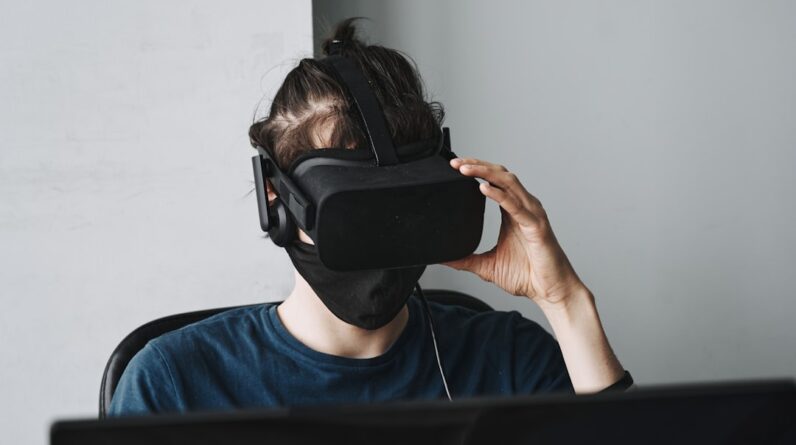
Users wear a virtual reality headset and are transported to a virtual environment where they can interact with objects and characters in Spanish. The program may include language lessons, interactive games, and simulated real-life scenarios to help users improve their Spanish language skills.
What are the benefits of using a Spanish Language Virtual Reality Program?
Using a Spanish Language Virtual Reality Program can provide a more engaging and immersive learning experience compared to traditional language learning methods. It can help improve language comprehension, speaking skills, and cultural understanding.
Who can benefit from a Spanish Language Virtual Reality Program?
Anyone who wants to learn or improve their Spanish language skills can benefit from a Spanish Language Virtual Reality Program. This includes students, professionals, and language enthusiasts.
Are there different levels of proficiency available in a Spanish Language Virtual Reality Program?
Yes, many Spanish Language Virtual Reality Programs offer different levels of proficiency, from beginner to advanced. This allows users to start at their current level and progress as they improve their language skills.
Can a Spanish Language Virtual Reality Program be used for group learning?
Yes, some Spanish Language Virtual Reality Programs offer multiplayer or collaborative features that allow users to learn and practice Spanish together in a virtual environment. This can be especially beneficial for group language classes or study groups.