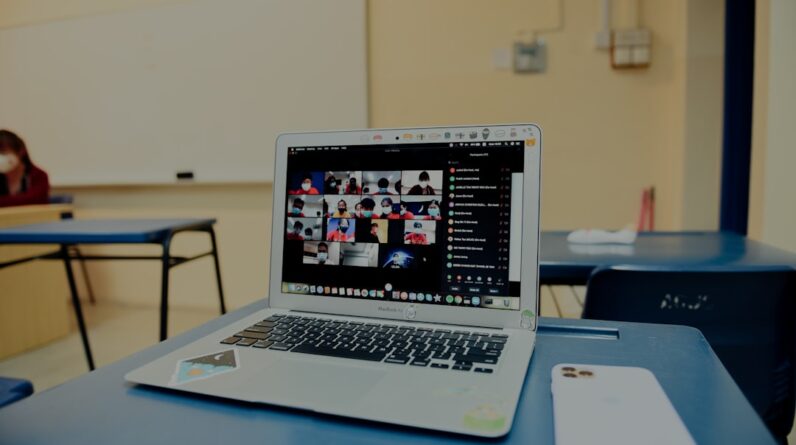
Many people believe that the only way to learn Spanish effectively is to immerse themselves in a Spanish-speaking country. This myth can be quite discouraging for those who may not have the means or opportunity to travel abroad. However, the reality is that you can learn Spanish from the comfort of your own home.
With the wealth of resources available today, including online courses, language apps, and community classes, you can make significant progress without ever stepping foot in a Spanish-speaking country. Moreover, being in a Spanish-speaking environment does not automatically guarantee fluency. While it can provide valuable exposure to the language, it is your dedication and practice that will ultimately determine your success.
You can create your own immersive experience by engaging with Spanish media, such as movies, music, and books, or by participating in local language exchange meetups. The key is to be proactive and consistent in your learning journey, regardless of your geographical location.
Key Takeaways
- You don’t have to be in a Spanish-speaking country to learn the language effectively
- Immersion is not the only way to become fluent in Spanish
- Learning Spanish is not too difficult for adults
- You don’t have to have a natural talent for languages to learn Spanish
- Online language learning programs can be effective for learning Spanish
Myth: Immersion is the only way to become fluent in Spanish
Another common misconception is that immersion is the sole path to fluency in Spanish. While immersion can certainly accelerate the learning process, it is not the only method available. Many learners achieve fluency through structured study, practice, and exposure to the language in various forms.
You can effectively learn Spanish through a combination of classroom instruction, self-study, and conversational practice without needing to live in a Spanish-speaking country. Additionally, immersion can take many forms beyond living abroad. You can immerse yourself in the language by consuming Spanish-language media, participating in online forums, or joining local cultural events.
Engaging with native speakers through language exchange programs or conversation clubs can also provide a rich immersive experience. Ultimately, fluency is about consistent practice and exposure, which can be achieved through various means.
Myth: Learning Spanish is too difficult for adults
The belief that learning Spanish is too difficult for adults is a myth that often holds people back from pursuing their language goals. While it is true that children may acquire languages more easily due to their brain’s plasticity, adults possess unique advantages that can facilitate language learning. For instance, as an adult, you have a more developed understanding of grammar and vocabulary from your native language, which can help you make connections and grasp new concepts more quickly.
Furthermore, adults often have greater motivation and discipline when it comes to learning a new language. You are likely to have specific goals in mind—whether for travel, career advancement, or personal enrichment—that can drive your commitment to learning Spanish. With the right mindset and resources, you can overcome any perceived difficulties and make significant strides in your language journey.
Myth: You have to have a natural talent for languages to learn Spanish
Many individuals believe that only those with a natural talent for languages can successfully learn Spanish. This myth can be disheartening and may lead you to think that you are not cut out for language learning. However, the truth is that anyone can learn Spanish with dedication and practice.
Language acquisition is a skill that can be developed over time, much like learning to play an instrument or mastering a sport. Your success in learning Spanish does not depend on innate talent but rather on your willingness to put in the effort and time required. By setting realistic goals and maintaining a consistent study routine, you can make steady progress.
Remember that every learner has their own pace; what matters most is your commitment to improvement and your ability to embrace mistakes as part of the learning process.
Myth: Online language learning programs are not effective for learning Spanish
In recent years, online language learning programs have gained popularity, yet some still question their effectiveness. This myth overlooks the advancements in technology and pedagogy that have made these programs highly effective for many learners. Online platforms offer interactive lessons, personalized feedback, and opportunities for real-time conversation practice with native speakers—all of which can significantly enhance your learning experience.
Moreover, online resources allow you to learn at your own pace and tailor your study plan to fit your individual needs. Whether you prefer structured lessons or more casual practice through apps and games, there are countless options available to suit your learning style. By leveraging these resources effectively, you can achieve impressive results in your Spanish language journey.
Myth: Grammar is the most important aspect of learning Spanish
The Myth of Grammar-Centric Learning
Many learners become so focused on mastering grammar rules that they neglect other crucial aspects of language learning, such as vocabulary development and conversational practice. However, effective communication involves more than just correct grammar; it requires an understanding of context, cultural nuances, and the ability to express ideas clearly.
Striking a Balance
To become proficient in Spanish, it’s crucial to strike a balance between grammar study and practical application. Engaging in conversations with native speakers or consuming authentic Spanish media will help you develop a more intuitive grasp of the language.
Prioritizing Communication Over Perfection
By prioritizing communication over perfection, you will find yourself making progress more quickly and enjoying the learning process along the way.
Myth: You have to spend hours studying each day to make progress in Spanish
The belief that you need to dedicate hours each day to studying Spanish is another myth that can deter potential learners. While consistent practice is important, quality often trumps quantity when it comes to language learning. Even short daily sessions of focused study can yield significant results if you approach them with intention and purpose.
You might find that incorporating Spanish into your daily routine—such as listening to podcasts during your commute or practicing vocabulary while cooking—can be just as effective as traditional study sessions. The key is to create a sustainable routine that fits your lifestyle and allows you to engage with the language regularly without feeling overwhelmed.
Myth: You need to have a native Spanish speaker to practice with in order to become fluent
Many learners believe that having a native Spanish speaker as a conversation partner is essential for achieving fluency. While interacting with native speakers can certainly enhance your learning experience, it is not the only way to practice speaking Spanish. There are numerous resources available for practicing conversational skills, including language exchange platforms, online communities, and even speaking exercises with fellow learners.
Additionally, practicing speaking on your own—through shadowing exercises or recording yourself—can also be beneficial. The important thing is to find opportunities to use the language actively and build your confidence in speaking. With determination and creativity, you can develop your conversational skills without relying solely on native speakers.
Myth: Learning Spanish is only useful for travel or living in a Spanish-speaking country
Some individuals may think that learning Spanish is only relevant if they plan to travel or live in a Spanish-speaking country. This myth overlooks the numerous benefits of being bilingual in today’s globalized world. Spanish is one of the most widely spoken languages globally, making it an invaluable asset in various fields such as business, healthcare, education, and social services.
Moreover, understanding Spanish opens up opportunities for cultural enrichment through literature, music, film, and art from diverse Spanish-speaking countries. By learning the language, you gain access to a rich tapestry of cultures and perspectives that can enhance both your personal and professional life.
Myth: Spanish is the same everywhere, so once you learn one dialect, you know them all
The idea that Spanish is uniform across all regions is another common misconception. In reality, there are numerous dialects and variations of Spanish spoken around the world, each with its own unique vocabulary, pronunciation, and cultural context. While the core structure of the language remains consistent, regional differences can significantly impact communication.
As you learn Spanish, it’s essential to be aware of these variations and embrace them as part of the language’s richness. Whether you’re interested in Mexican Spanish, Castilian Spanish from Spain, or Argentine Spanish, understanding these differences will enhance your ability to communicate effectively with speakers from different backgrounds.
Myth: You have to take expensive classes or hire a tutor to learn Spanish effectively
Finally, many people believe that effective language learning requires expensive classes or hiring a tutor. While these options can be beneficial for some learners, they are not the only paths available. There are countless free or low-cost resources available online—such as apps, websites, podcasts, and community classes—that can help you learn Spanish without breaking the bank.
By taking advantage of these resources and being resourceful in your approach to learning—such as forming study groups with friends or utilizing public libraries—you can create an effective learning environment tailored to your needs and budget. Ultimately, what matters most is your commitment to learning and finding methods that resonate with you personally. In conclusion, dispelling these myths about learning Spanish can empower you on your journey toward fluency.
With determination and the right resources at your disposal, you can successfully navigate the challenges of language acquisition and enjoy all the benefits that come with being bilingual.
If you are interested in exploring the social and professional advantages of being multilingual, check out this article. It delves into how knowing multiple languages can benefit you in various aspects of life. Learning a new language also involves mastering vocabulary, which is crucial for effective communication. For a comprehensive guide on how to achieve vocabulary mastery, refer to this roadmap. Additionally, understanding the implications of linguistic diversity and language revitalization efforts on cultural heritage is essential. To learn more about this topic, read this insightful article.
FAQs
What are some common myths about learning Spanish?
Some common myths about learning Spanish include the belief that it’s too difficult to learn, that you have to live in a Spanish-speaking country to become fluent, and that you have to have a natural talent for languages.
Is it true that Spanish is too difficult to learn?
No, it is not true. Spanish is actually considered one of the easier languages for English speakers to learn. It shares many similarities with English and has a relatively simple grammar structure.
Do you have to live in a Spanish-speaking country to become fluent in Spanish?
No, living in a Spanish-speaking country can certainly help with immersion and practice, but it is not a requirement to become fluent in Spanish. There are many resources and opportunities for language learning outside of a Spanish-speaking country.
Do you have to have a natural talent for languages to learn Spanish?
No, anyone can learn Spanish with dedication, practice, and the right resources. While some people may have a natural affinity for languages, it is not a requirement for successfully learning Spanish.