Ways to Learn Spanish
When you think about learning a new language, immersion programs often come to mind as one of the most effective methods. These programs place you in an environment where Spanish is the primary language spoken, allowing you to absorb the language naturally. Imagine waking up in a vibrant city like Barcelona or Buenos Aires, where every street corner, café, and market is an opportunity to practice your Spanish.
You would be surrounded by native speakers, and every interaction—whether ordering a coffee or asking for directions—would push you to use your language skills in real-life situations. This constant exposure helps reinforce vocabulary and grammar, making the learning process feel organic rather than forced. Moreover, immersion programs often include cultural activities that enhance your understanding of the language.
You might find yourself participating in local festivals, cooking traditional dishes, or even taking dance classes. These experiences not only make learning enjoyable but also deepen your appreciation for the culture associated with the language. By engaging with locals and participating in community events, you will find that your confidence in speaking Spanish grows exponentially.
The combination of practical language use and cultural immersion creates a rich learning environment that can lead to rapid progress.
Key Takeaways
- Immersion programs offer the most effective way to learn Spanish by surrounding yourself with the language and culture.
- Online courses provide flexibility and convenience for learning Spanish at your own pace and schedule.
- Private tutoring offers personalized attention and tailored lesson plans for efficient language learning.
- Language exchange partners provide the opportunity to practice Spanish conversation with native speakers in exchange for practicing their language.
- Study abroad programs immerse students in the Spanish language and culture for a transformative learning experience.
- Language learning apps offer interactive and engaging tools for practicing Spanish vocabulary, grammar, and conversation.
- Spanish language meetup groups provide a supportive community for practicing Spanish speaking and listening skills.
- Spanish language classes at community centers offer affordable and structured learning opportunities for all levels of proficiency.
Online Courses
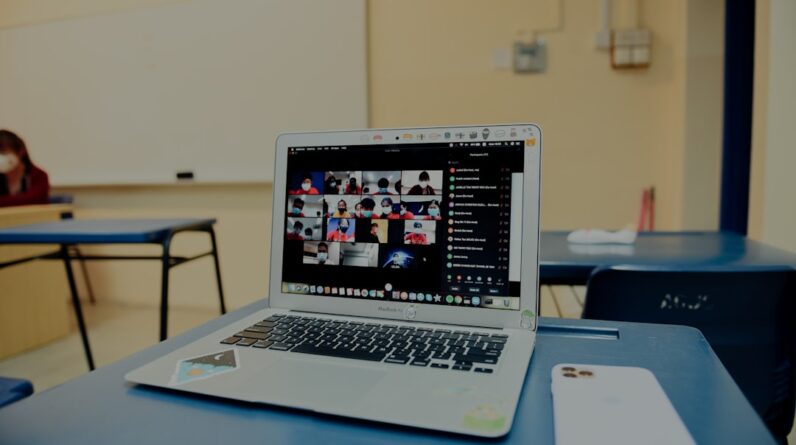
In today’s digital age, online courses have revolutionized the way you can learn Spanish. With a plethora of platforms available, you can choose from structured lessons that fit your schedule and learning style. Whether you prefer interactive video lessons, quizzes, or audio exercises, online courses offer flexibility that traditional classroom settings may lack.
You can learn at your own pace, revisiting challenging topics as needed while progressing through the curriculum at a speed that suits you best. Additionally, many online courses incorporate modern technology to enhance your learning experience. Features such as speech recognition software can help you improve your pronunciation by providing instant feedback.
You can also connect with fellow learners through forums or group chats, creating a sense of community even from the comfort of your home. This collaborative aspect allows you to practice conversational skills with peers who are on the same journey as you, making the learning process more engaging and less isolating.
Private Tutoring

If you seek personalized attention in your language learning journey, private tutoring might be the ideal option for you. Working one-on-one with a tutor allows for a tailored approach that addresses your specific needs and goals. Whether you’re a complete beginner or looking to refine your advanced skills, a private tutor can customize lessons to focus on areas where you need the most improvement.
This individualized attention can significantly accelerate your learning process, as your tutor can adapt their teaching methods to suit your unique learning style. Moreover, private tutoring offers the opportunity for immediate feedback and clarification on any doubts you may have. Unlike larger classes where individual questions might go unanswered, your tutor can provide instant support and encouragement.
This personalized interaction fosters a comfortable environment where you can practice speaking without fear of judgment. As you build a rapport with your tutor, you’ll likely find yourself more motivated to engage in conversations and tackle challenging topics head-on.
Language Exchange Partners
Engaging with language exchange partners is another effective way to enhance your Spanish skills while making new friends along the way. This method involves pairing up with someone who is fluent in Spanish and wants to learn your native language. Through regular conversations—whether in person or via video calls—you can practice speaking and listening while helping your partner improve their skills in your language.
This reciprocal arrangement not only benefits both parties but also creates a relaxed atmosphere where mistakes are seen as part of the learning process. Finding a language exchange partner can be as simple as joining online platforms or local community groups dedicated to language learning. You might meet someone from Spain who is eager to share their culture while helping you navigate the intricacies of the Spanish language.
These exchanges often lead to enriching discussions about each other’s backgrounds, traditions, and experiences, making the learning process more enjoyable and meaningful. As you converse regularly, you’ll notice improvements in your fluency and confidence, making it easier to engage with native speakers in real-world situations.
Study Abroad Programs
Participating in study abroad programs is an incredible opportunity for immersive language learning that combines education with travel. Imagine spending a semester in a Spanish-speaking country, attending classes at a local university while living with host families or fellow students. This experience not only enhances your academic knowledge but also allows you to practice Spanish daily in various contexts—be it in class discussions or casual conversations with locals.
The cultural exposure gained during this time is invaluable, as it provides insights into the nuances of the language that textbooks often overlook. Additionally, study abroad programs often include excursions and cultural activities that further enrich your experience. You might explore historical sites, participate in community service projects, or attend workshops on local crafts and traditions.
These activities not only deepen your understanding of the culture but also create opportunities for meaningful interactions with native speakers. By fully immersing yourself in the language and culture, you’ll find that your confidence and proficiency in Spanish grow significantly during your time abroad.
Language Learning Apps

In an era where technology is at your fingertips, language learning apps have become an essential tool for mastering Spanish. These apps offer a convenient way to practice vocabulary, grammar, and pronunciation on-the-go. With features like gamified lessons and interactive exercises, you can turn mundane moments—like waiting in line or commuting—into productive study sessions.
The flexibility of these apps allows you to integrate language learning into your daily routine seamlessly. Many language learning apps also utilize spaced repetition techniques to help reinforce what you’ve learned over time. This method ensures that vocabulary and phrases are revisited at optimal intervals, enhancing retention and recall.
Additionally, some apps offer social features that allow you to connect with other learners for practice or competition, adding an element of fun to your studies. By incorporating these apps into your routine, you’ll find that consistent practice leads to steady progress in your Spanish language skills.
Spanish Language Meetup Groups
Joining Spanish language meetup groups is an excellent way to practice speaking in a relaxed and social environment. These groups often gather regularly at local cafés or community centers, providing a space for learners of all levels to come together and converse in Spanish. The informal setting encourages participants to engage in discussions about various topics while building friendships with fellow learners who share similar interests.
Participating in these meetups not only helps improve your conversational skills but also exposes you to different dialects and accents within the Spanish-speaking world. You may encounter native speakers who are eager to share their experiences and insights about their culture while helping you refine your language skills. The camaraderie built within these groups fosters a supportive atmosphere where everyone is encouraged to practice without fear of making mistakes.
Spanish Language Classes at Community Centers
Community centers often offer affordable Spanish language classes that cater to learners of all ages and skill levels. Enrolling in these classes provides structured lessons led by experienced instructors who can guide you through the intricacies of the language. The classroom setting allows for interactive activities such as group discussions, role-playing scenarios, and collaborative projects that enhance your understanding of Spanish in a supportive environment.
Moreover, community center classes often emphasize cultural awareness alongside language instruction. You may explore aspects of Hispanic culture through music, art, and cuisine while developing your language skills. This holistic approach not only makes learning more enjoyable but also enriches your appreciation for the diverse cultures within the Spanish-speaking world.
By participating in these classes, you’ll find yourself making steady progress while connecting with others who share your passion for learning Spanish. In conclusion, there are numerous avenues available for mastering the Spanish language, each offering unique benefits tailored to different learning styles and preferences. Whether you choose immersion programs for hands-on experience or online courses for flexibility, every method contributes to building your proficiency and confidence in speaking Spanish.
By exploring options like private tutoring, language exchange partners, study abroad programs, language learning apps, meetup groups, and community center classes, you’ll find a combination that works best for you on this exciting journey toward fluency.
FAQs
What are the different ways to learn Spanish?
There are various ways to learn Spanish, including taking classes at a language school, hiring a private tutor, using language learning apps, watching Spanish TV shows and movies, listening to Spanish music, and practicing with native speakers.
Is it possible to learn Spanish online?
Yes, it is possible to learn Spanish online through language learning websites, apps, and virtual classes offered by language schools and tutors.
How long does it take to learn Spanish?
The time it takes to learn Spanish varies depending on factors such as the learner’s dedication, the amount of time spent practicing, and the learner’s prior knowledge of other languages. Generally, it can take anywhere from a few months to a few years to become proficient in Spanish.
What are the benefits of learning Spanish?
Learning Spanish can open up opportunities for travel, work, and cultural experiences in Spanish-speaking countries. It can also improve cognitive function, as learning a new language has been shown to enhance memory, problem-solving skills, and multitasking abilities.
Are there any tips for learning Spanish more effectively?
Some tips for learning Spanish more effectively include practicing regularly, immersing oneself in the language and culture, setting specific language learning goals, and using a variety of resources such as books, apps, and media to reinforce learning.