Spanish Language Classes
Learning Spanish opens up a world of opportunities for you, both personally and professionally. As one of the most widely spoken languages globally, Spanish is the official language in 20 countries and is the second most spoken language in the United States. By mastering Spanish, you can connect with millions of people, enriching your social interactions and cultural experiences.
Imagine traveling to Spain, Mexico, or any Latin American country and being able to converse with locals in their native tongue. This ability not only enhances your travel experiences but also fosters deeper connections with diverse cultures. Moreover, the cognitive benefits of learning a new language are well-documented.
Engaging with Spanish can improve your memory, problem-solving skills, and even multitasking abilities. Studies have shown that bilingual individuals often exhibit greater mental flexibility and creativity. As you navigate the complexities of Spanish grammar and vocabulary, you are essentially training your brain to think in new ways.
This mental exercise can lead to improved performance in other academic or professional areas, making you a more versatile individual in today’s competitive job market.
Key Takeaways
- Learning Spanish can open up new opportunities for travel, career advancement, and personal growth.
- Spanish language classes can be traditional in-person courses, online classes, private tutoring, or immersion programs.
- Consider your learning style, schedule, budget, and goals when choosing a Spanish language class.
- Immersion in the language through activities like watching Spanish TV shows, listening to Spanish music, and practicing with native speakers can greatly improve language skills.
- Practice regularly, seek out language exchange partners, and use online resources to supplement your Spanish language classes.
Different Types of Spanish Language Classes
When it comes to learning Spanish, you have a variety of class options to choose from, each catering to different learning styles and goals. Traditional classroom settings are a popular choice, where you can benefit from structured lessons led by experienced instructors. These classes often provide a comprehensive curriculum that covers grammar, vocabulary, and conversation skills.
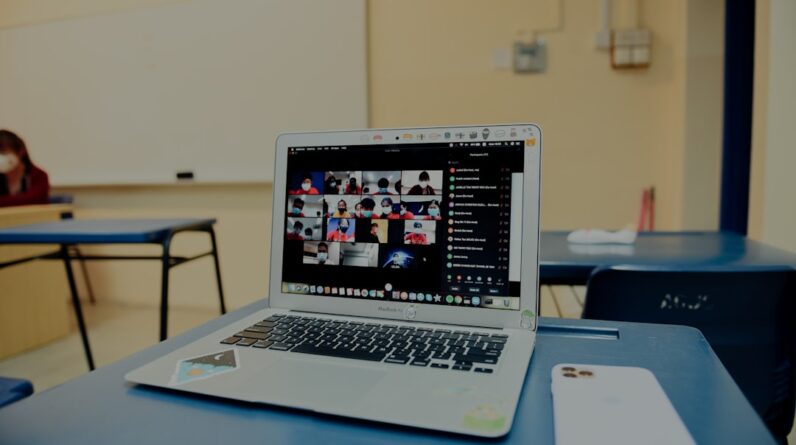
Being in a classroom environment also allows for interaction with fellow students, which can enhance your learning experience through group activities and discussions. Alternatively, you might consider online courses or language apps that offer flexibility and convenience. These platforms allow you to learn at your own pace, fitting your studies around your busy schedule.
Many online courses incorporate multimedia resources such as videos, quizzes, and interactive exercises that can make learning more engaging. Additionally, some programs offer live sessions with native speakers, providing you with real-time practice and feedback. Whether you prefer the structure of a classroom or the flexibility of online learning, there is a Spanish language class that suits your needs.
How to Choose the Right Spanish Language Class for You

Selecting the right Spanish language class is crucial to your success in learning the language. Start by assessing your current proficiency level; are you a complete beginner or do you have some prior knowledge? Many institutions offer placement tests to help you determine the appropriate level for your skills.
Once you have identified your level, consider your learning objectives. Are you looking to become conversationally fluent for travel purposes, or do you need to develop advanced skills for professional reasons? Your goals will guide your choice of class type and intensity.
Another important factor to consider is the teaching style of the instructor. Some learners thrive in a structured environment with clear guidelines, while others may prefer a more relaxed approach that encourages exploration and creativity. Research potential instructors or institutions by reading reviews or asking for recommendations from friends or colleagues who have taken Spanish classes.
Additionally, consider the class size; smaller classes often allow for more personalized attention and interaction with the teacher. By taking these factors into account, you can find a class that aligns with your learning preferences and goals.
The Importance of Immersion in Spanish Language Learning
Immersion is one of the most effective methods for mastering a new language, including Spanish. When you immerse yourself in the language, you are surrounded by it in various contexts—whether through conversations with native speakers, watching Spanish films, or listening to music in Spanish. This constant exposure helps reinforce what you learn in class and accelerates your understanding of the language’s nuances.
You begin to think in Spanish rather than translating from your native language, which is a significant milestone in language acquisition. Participating in immersion experiences can take many forms. If possible, consider traveling to a Spanish-speaking country where you can practice speaking with locals daily.
Alternatively, look for local cultural events or community groups that focus on Spanish language and culture. Engaging with native speakers not only improves your conversational skills but also deepens your appreciation for the cultural context behind the language. The more you immerse yourself in Spanish, the more confident and proficient you will become.
Tips for Success in Spanish Language Classes
To maximize your success in Spanish language classes, it’s essential to adopt effective study habits and strategies. First and foremost, consistency is key. Set aside dedicated time each week for studying and practicing Spanish outside of class hours.
This could involve reviewing vocabulary, completing exercises from your textbook, or engaging with online resources. Regular practice helps reinforce what you’ve learned and keeps the material fresh in your mind. Additionally, don’t hesitate to participate actively during class.
Engaging in discussions, asking questions, and practicing speaking with classmates will enhance your learning experience. Remember that making mistakes is a natural part of the learning process; embrace them as opportunities for growth rather than setbacks. Finally, consider forming study groups with fellow students to practice together outside of class.
Collaborative learning can provide motivation and support as you navigate the challenges of mastering a new language.
Resources for Practicing Spanish Outside of Class

Beyond formal classes, numerous resources are available to help you practice Spanish on your own time. Language exchange platforms like Tandem or HelloTalk connect you with native Spanish speakers who want to learn your language. This reciprocal arrangement allows both parties to practice speaking while gaining insights into each other’s cultures.
Engaging in conversations with native speakers can significantly boost your confidence and fluency. In addition to language exchange platforms, consider incorporating media into your study routine. Watching Spanish-language films or television shows can improve your listening skills while exposing you to different accents and dialects.
Listening to podcasts or music in Spanish can also be beneficial; try to follow along with the lyrics or transcripts to enhance comprehension. Furthermore, reading books or articles in Spanish will help expand your vocabulary and improve your understanding of sentence structure. By utilizing these diverse resources, you can create a well-rounded approach to practicing Spanish outside of class.
Overcoming Common Challenges in Spanish Language Learning
As with any new skill, learning Spanish comes with its own set of challenges that you may encounter along the way. One common hurdle is mastering verb conjugations, which can be particularly daunting due to the various tenses and irregular forms. To overcome this challenge, consider creating flashcards or using apps designed specifically for practicing verb conjugations.
Regularly reviewing these forms will help solidify your understanding and make them feel more intuitive over time. Another challenge many learners face is building confidence when speaking. It’s natural to feel nervous about making mistakes or being misunderstood; however, remember that practice is essential for improvement.
Try to find low-pressure environments where you can practice speaking without fear of judgment—this could be through informal meetups or conversation clubs focused on language exchange. The more you practice speaking Spanish, the more comfortable you will become over time.
The Future of Spanish Language Education
The future of Spanish language education looks promising as technology continues to evolve and reshape how we learn languages. Online platforms and mobile applications are becoming increasingly sophisticated, offering personalized learning experiences tailored to individual needs and preferences. These advancements make it easier than ever for learners around the world to access high-quality resources and connect with native speakers.
Moreover, as globalization continues to bring cultures closer together, the demand for bilingual individuals is likely to grow. Proficiency in Spanish can enhance career prospects across various fields such as business, healthcare, education, and tourism. As more people recognize the value of being bilingual, educational institutions may expand their offerings to include more immersive programs and innovative teaching methods that cater to diverse learning styles.
Embracing these changes will not only benefit learners but also contribute to a richer understanding of global cultures through language education. In conclusion, learning Spanish offers numerous benefits that extend beyond mere communication; it enriches personal experiences and enhances cognitive abilities while opening doors professionally. With various class options available and effective strategies for success at your disposal, embarking on this linguistic journey can be both rewarding and enjoyable.
By immersing yourself in the language and utilizing diverse resources outside of class, you’ll be well-equipped to overcome challenges and thrive in your pursuit of fluency in Spanish.
FAQs
What are Spanish language classes?
Spanish language classes are educational courses designed to teach students how to speak, read, and write in the Spanish language. These classes may be offered at various levels, from beginner to advanced, and can be taken in person or online.
What can I expect to learn in Spanish language classes?
In Spanish language classes, students can expect to learn vocabulary, grammar, pronunciation, and cultural aspects of the Spanish-speaking world. They will also practice speaking and listening skills through interactive activities and exercises.
Who can benefit from taking Spanish language classes?
Anyone who is interested in learning Spanish can benefit from taking Spanish language classes. This includes students, professionals, travelers, and individuals who want to improve their language skills for personal enrichment.
What are the benefits of learning Spanish?
Learning Spanish can open up opportunities for travel, career advancement, and cultural enrichment. It can also improve cognitive abilities, such as multitasking and problem-solving, and enhance communication skills.
How long does it take to become fluent in Spanish?
The time it takes to become fluent in Spanish can vary depending on factors such as the individual’s language learning abilities, the amount of time dedicated to studying, and the intensity of the language classes. Generally, it can take several years of consistent practice to achieve fluency.
Are there different types of Spanish language classes available?
Yes, there are various types of Spanish language classes available, including group classes, private lessons, immersion programs, and online courses. Some classes may focus on specific skills, such as conversation or business Spanish, while others offer a comprehensive approach to language learning.