Essential Cultural Knowledge for Effective Communication
Effective communication goes beyond language proficiency; it requires a deep understanding of cultural nuances and practices. Cultures shape the way people communicate, express themselves, and interpret messages. To engage in successful cross-cultural communication, consider these ten essential cultural knowledge tips:
Understand Cultural Context
- Familiarize yourself with the cultural background of the people you are communicating with.
- Learn about their values, beliefs, and historical events that influence their worldview.
Learn Non-Verbal Cues
- Recognize and interpret non-verbal cues like body language, facial expressions, and gestures.
- Be mindful of how different cultures convey emotions through non-verbal communication.
Master Social Norms
- Acquire knowledge of social norms, such as greetings, introductions, and expressions of gratitude.
- Respect cultural norms related to personal space, eye contact, and physical touch.
Be Attentive to Communication Styles
- Understand variations in communication styles, such as direct vs. indirect communication.
- Adapt your communication approach to fit the cultural preferences of your audience.
Cultural Sensitivity
- Cultivate cultural sensitivity by avoiding stereotypes and judgments.
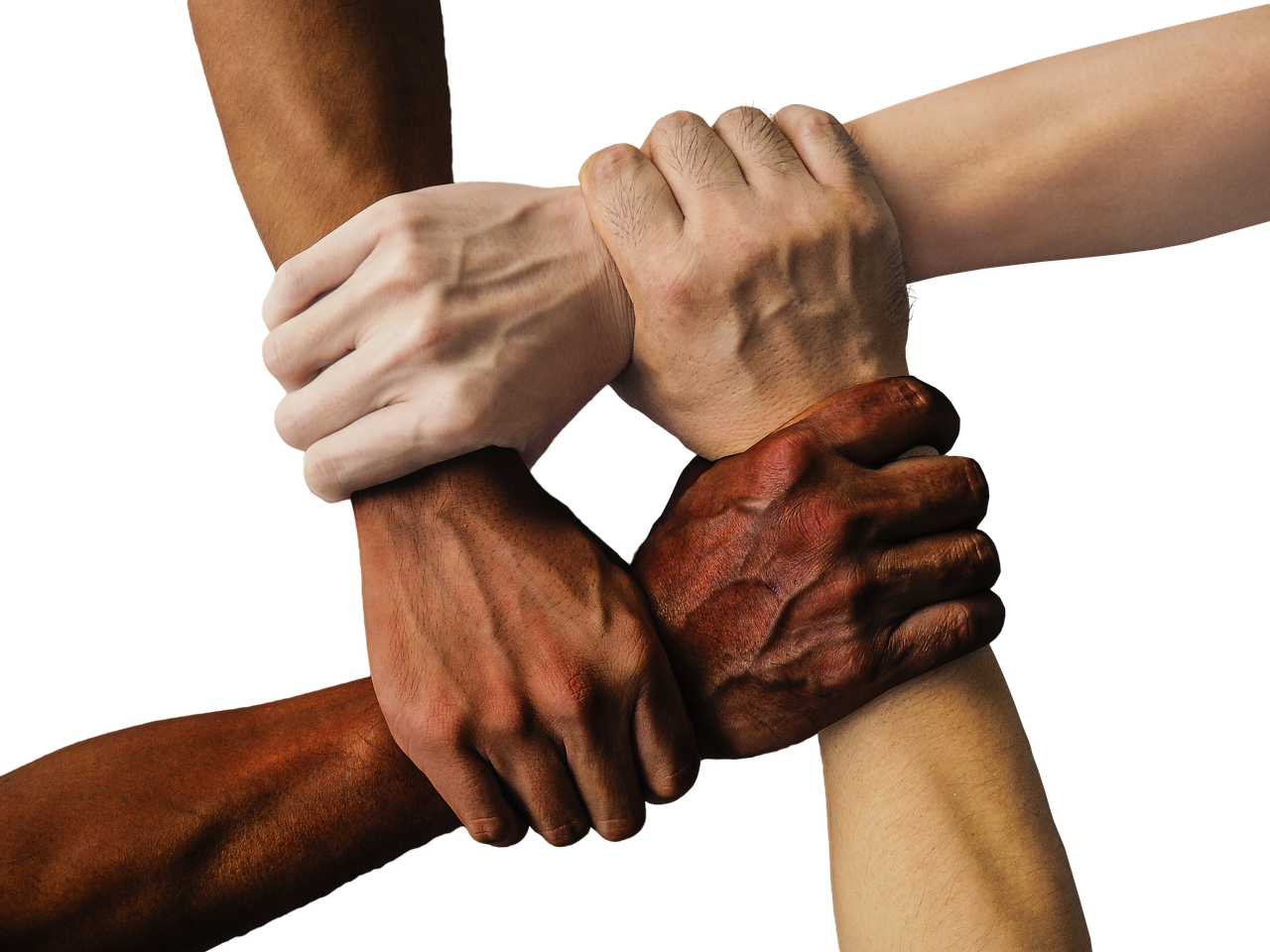
- Recognize and appreciate the diversity of cultures and traditions.
Etiquette and Protocol
- Familiarize yourself with etiquette and protocol in different cultural settings.
- Show respect by adhering to local customs during formal events or gatherings.
Humor and Taboos
- Be cautious with humor, as it can be interpreted differently across cultures.
- Be aware of cultural taboos to avoid unintentionally offending others.
Use of Titles and Names
- Understand how people address each other using titles and names.
- Respect the use of formal or informal addresses based on the cultural context.
Time Perception
- Acknowledge variations in time perception among cultures.
- Be punctual or flexible, depending on the cultural attitude towards time.
Active Listening and Empathy
- Practice active listening and show empathy towards cultural differences.
- Be open-minded and willing to learn from others’ perspectives.
By developing essential cultural knowledge, you can enhance your communication skills, build meaningful connections, and foster a more inclusive and respectful environment.