
You’re looking for a language school. Not just any language school, but the best language school in Sonoma, Round Rock, Texas, a place where the complexities of grammar and the nuances of pronunciation transform from daunting mountains into navigable foothills. Your quest for linguistic mastery is a journey, and like any good journey, it requires the right map and the most reliable guide. This article aims to be that guide, illuminating the landscape of language education in Sonoma and helping you discern the most effective path forward.
Before you even consider a specific institution, you must first become an astute observer of your own educational desires. Think of yourself as a seasoned explorer charting unknown territories. What are the cardinal directions of your linguistic compass? Is it a whisper of travel plans, the roar of career advancement, or the quiet hum of personal enrichment that beckons you to learn a new tongue? Pinpointing this will be the bedrock of your decision-making process.
Identifying Your Learning Goals
Your objectives are the seeds from which your language learning will grow. Are you aiming for conversational fluency, a basic understanding for travel, professional proficiency, or academic immersion? Each goal requires a different approach and a different kind of educational environment.
Conversational Fluency: Engaging in the Everyday
If your primary aim is to converse with native speakers, to navigate social situations with ease, and to build genuine connections, then schools that emphasize interactive dialogues, role-playing exercises, and communicative activities will likely serve you best. This pathway is about feeling the pulse of a language, not just dissecting its anatomy.
Professional Proficiency: Unlocking Career Doors
For those seeking to enhance their career prospects, the focus shifts to specialized vocabulary, industry-specific jargon, and formal communication. You might need to master the art of business presentations, professional correspondence, and industry-specific terminology. The ideal school will offer tailored programs that speak the language of your profession.
Academic Immersion: Building a Scholarly Foundation
If your sights are set on higher education or research, you’ll need a strong foundation in grammar, academic writing, and critical reading. This path often involves preparation for standardized language proficiency tests, which are the gatekeepers to many academic institutions.
Personal Enrichment: The Joy of Discovery
Sometimes, the motivation is simply the love of learning, the intellectual stimulation of acquiring a new skill, or a long-held fascination with a particular culture. In this case, a more flexible and engaging approach might be paramount, where the journey of discovery itself is the reward.
Assessing Your Current Language Level
Honesty is the best policy when evaluating your starting point. Are you a complete novice, standing at the foot of an uncharted linguistic mountain, or do you possess some foundational knowledge, perhaps from previous attempts or exposure? Many schools offer placement tests, which are invaluable tools in this assessment. Think of this as understanding the altitude you’re currently at, which determines the gear you’ll need for your ascent.
Beginner: Starting with the ABCs
If you’re starting from scratch, you’ll need a school that provides a nurturing environment for absolute beginners. This means clear, methodical instruction, ample repetition, and a patient approach to building fundamental vocabulary and grammatical structures.
Intermediate: Building on Existing Knowledge
For those who have some prior exposure, an intermediate program will help bridge the gaps in your understanding, refine your grammar, and expand your vocabulary. You’ll learn to express more complex ideas and navigate a wider range of conversational topics.
Advanced: Refining and Mastering
At the advanced level, the focus shifts to fluency, idiomatic expressions, cultural nuances, and mastering complex grammatical structures. You’ll be honing your skills to sound more like a native speaker and engage with sophisticated discourse.
If you’re considering enrolling in the best language school in Sonoma, Round Rock, Texas, you might find it helpful to explore how technology can enhance your language learning experience. A related article discusses the impact of language learning apps and other technological tools on the learning process. You can read more about it here: How Can Technology, Such as Language Learning Apps, Aid in the Process?. This resource offers valuable insights that could complement your studies at a language school.
Evaluating Language Schools in Sonoma: Key Differentiators
Now that you’ve clarified your personal linguistic compass, it’s time to turn your gaze towards the schools themselves. The “best” language school isn’t a monolithic entity; it’s a dynamic ecosystem of instructors, methodologies, and resources. You’re not just looking for a building; you’re looking for a launchpad.
Instructor Quality and Experience
The heart of any educational institution lies in its educators. A skilled language instructor is more than just a dispenser of information; they are a seasoned navigator, a patient mentor, and a source of inspiration. Their ability to explain complex concepts clearly, to adapt their teaching style to diverse learners, and to foster a supportive learning environment is paramount.
Native vs. Non-Native Speaking Instructors
Both native and non-native speaking instructors bring unique strengths to the classroom. Native speakers offer authentic pronunciation and cultural insights, while non-native speakers, often having gone through the arduous process of learning the language themselves, can provide invaluable perspectives on common learner challenges and effective learning strategies. A balance or a school that consciously leverages the strengths of both can be highly beneficial.
Teacher-Student Ratio: The Power of Individual Attention
A lower teacher-student ratio often translates to more personalized attention and opportunities for individual feedback. In a smaller class, your questions are more likely to be answered promptly, and your progress can be more closely monitored. This is like having a personal trainer for your language muscles, ensuring each rep is performed correctly.
Teaching Methodologies and Curriculum Design
The effectiveness of a language school is deeply intertwined with its pedagogical approach and the structure of its curriculum. Different methods resonate with different learners, and a well-designed curriculum acts as a logical roadmap, guiding you from beginner to advanced proficiency.
Communicative Language Teaching (CLT)
This approach emphasizes interaction and communication as the primary goals of language learning. Classrooms are designed to be lively, with activities that simulate real-life conversations, encouraging students to use the language actively.
Grammar-Translation Method
While less favored in modern language pedagogy, some elements of this method, focusing on grammatical rules and direct translation, can be useful for developing a strong theoretical understanding of the language. However, it’s generally not sufficient on its own for achieving fluency.
Task-Based Language Teaching (TBLT)
In TBLT, learning is organized around completing meaningful tasks using the target language. This could involve planning an event, solving a problem, or creating something collaboratively, thereby making the learning process more engaging and practical.
Blended Learning Approaches
Many contemporary schools adopt a blended learning model, integrating traditional classroom instruction with online resources, digital activities, and self-study components. This offers flexibility and caters to different learning preferences.
Curriculum Relevance and Adaptability
Does the curriculum align with your specific learning goals? Is it up-to-date and reflective of current language usage? A truly effective curriculum will be adaptable, allowing for modifications based on the needs and progress of the students.
Specialized Courses: Targeting Your Interests
Some schools offer specialized courses in business English, Spanish for healthcare, or French for tourism. These niche offerings can be incredibly valuable if they directly address your professional or personal aspirations.
Cultural Immersion Components
Language is intrinsically linked to culture. Schools that incorporate cultural lessons, excursions, or guest speakers provide a richer, more holistic learning experience. Understanding the cultural context unlocks deeper meaning and facilitates more natural communication.
Exploring Language Schools in the Sonoma Area: Local Options and Considerations

When you narrow your search to Sonoma, Round Rock, Texas, you’re entering a specific geographic and demographic landscape. This local context can influence the types of schools available, class schedules, and the overall learning environment. Think of navigating a specific neighborhood; certain amenities will be more prevalent or accessible than others.
Identifying Schools with a Presence in Sonoma
Directly searching for “language schools Sonoma Round Rock Texas” is your starting point. However, broader searches for language schools in Round Rock that serve the Sonoma area might also yield relevant results. Don’t dismiss schools that are slightly outside of Sonoma proper if they are easily accessible and offer superior programs.
Community Centers and Adult Education Programs
Local community centers and adult education initiatives often provide affordable language classes. While they might not have the same specialized resources as dedicated language institutes, they can be excellent options for beginners or those seeking foundational knowledge.
Private Tutoring Services
For highly personalized instruction, consider private tutors who may operate within or serve the Sonoma area. This offers the ultimate tailor-made learning experience, albeit often at a higher cost.
Assessing Accessibility and Location
Convenience is a significant factor in maintaining consistent attendance and engagement. Consider the proximity of the school to your home or workplace, as well as the ease of transportation.
Proximity to Residential Areas
Is the school conveniently located for residents of Sonoma? This can significantly impact your ability to fit classes into your daily schedule without excessive travel time.
Public Transportation and Parking Availability
If you rely on public transportation, check the availability of routes serving the school. If you drive, adequate and safe parking is a crucial consideration.
Language Program Offerings by Nationality
The linguistic tapestry of Round Rock and the surrounding areas might influence the languages offered by local schools. Some schools may specialize in languages commonly spoken in the region or those in high demand for immigration or international business.
Popular Languages: Spanish, English, Mandarin, etc.
Given the demographics of Texas, Spanish language programs are likely to be prevalent and robust. English as a Second Language (ESL) programs are also essential for both newcomers and those seeking to improve their fluency. You might also find programs for other widely spoken languages.
Less Common Languages: Finding Specialized Instruction
If you’re interested in a less commonly taught language, your search might become more niche. You may need to look for schools with a broader reach or consider online options that specialize in these languages.
The Importance of Immersion and Practice: Beyond the Classroom walls
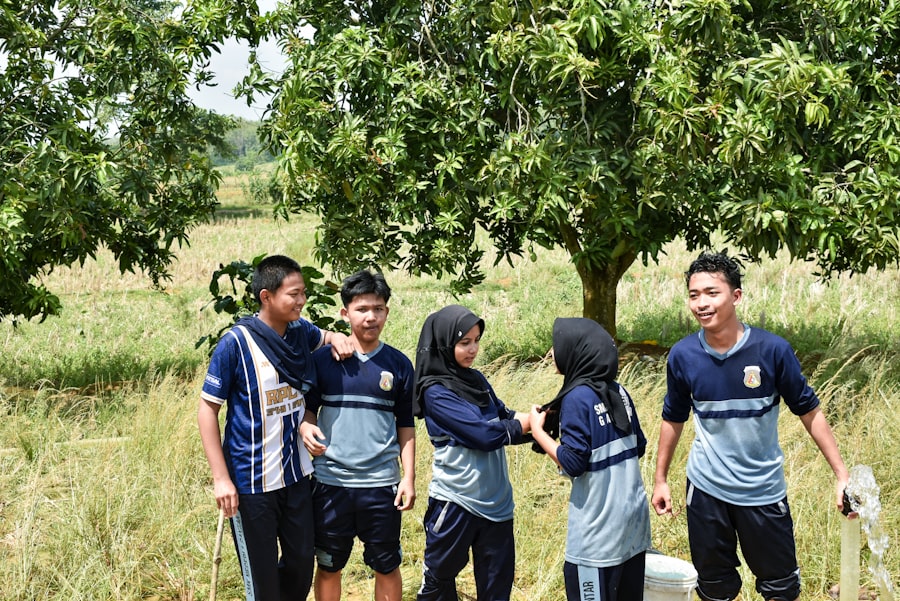
A language school is a vital starting point, a fertile ground for planting the seeds of linguistic knowledge. However, for those seeds to truly blossom into fluency, they must be nurtured through consistent practice and a willingness to step beyond the classroom and immerse yourself in the language. Think of the classroom as a greenhouse; the real growth happens in the open air.
Creating Opportunities for Real-World Application
The most effective language learners actively seek opportunities to use their newly acquired skills in authentic contexts. This is where theoretical knowledge transforms into practical mastery.
Language Exchange Partners
Connecting with native speakers for language exchange can be incredibly beneficial. This allows you to practice conversational skills, learn idiomatic expressions, and gain cultural insights in a low-pressure environment.
Local Community Events and Groups
Participating in local events, joining cultural clubs, or attending meetups related to the language you’re learning can provide organic opportunities for practice and connection. This is like dipping your toes into the linguistic ocean.
Travel and Cultural Immersion Trips
If your budget allows, immersive travel to a country where your target language is spoken offers the ultimate practice ground. Even short trips can significantly accelerate your progress and deepen your understanding.
Leveraging Technology for Continued Learning
In the digital age, technology offers a vast array of tools to supplement your formal language education and maintain momentum between classes.
Language Learning Apps and Websites
Platforms like Duolingo, Babbel, Memrise, and Anki offer gamified vocabulary learning, grammar exercises, and pronunciation practice. They are excellent for reinforcing what you learn in class and for consistent, on-the-go practice.
Online Resources and Media
Streaming services, podcasts, news websites, and online forums dedicated to your target language provide invaluable exposure to authentic language use. Listening to native speakers in various contexts is crucial for developing comprehension and an ear for the language.
Virtual Reality (VR) Language Learning Experiences
Emerging VR technologies offer immersive simulations that can transport you to virtual environments where you can practice conversations and interact with virtual characters, providing a unique and engaging practice method.
If you’re considering enrolling in the best language school in Sonoma Round Rock, Texas, you might find it helpful to explore various resources that enhance your understanding of different languages. For instance, an insightful article discusses the nuances of the German language, specifically the difference between “wissen” and “kennen.” This can be particularly beneficial for students looking to deepen their grasp of German vocabulary. You can read more about it in this article.
Making Your Final Decision: A Holistic Approach
| Language School | Location | Languages Offered | Class Size | Student Satisfaction (%) | Average Course Duration (weeks) | Certification Provided |
|---|---|---|---|---|---|---|
| Sonoma Language Institute | Round Rock, Texas | Spanish, French, German, Mandarin | 8-12 | 92 | 12 | Yes |
| Round Rock Language Academy | Round Rock, Texas | English, Spanish, Japanese | 10-15 | 89 | 10 | Yes |
| Texas Language Center | Round Rock, Texas | English, French, Italian | 6-10 | 85 | 14 | Yes |
| Global Language Hub | Round Rock, Texas | Spanish, Mandarin, Arabic | 12-18 | 90 | 8 | No |
Choosing the “best” language school is a deeply personal decision, a carefully considered investment in your future. It requires a holistic approach, weighing various factors to find the institution that best aligns with your unique needs, goals, and learning style. Your journey is a pilgrimage, and you need to find the sanctuary that best supports your spiritual growth in language.
Budget and Cost-Effectiveness
Language education can represent a significant financial commitment. Consider your budget and evaluate the cost-effectiveness of different programs. Remember that the most expensive option isn’t always the best, and sometimes a more affordable program with excellent instruction can be a more prudent choice.
Tuition Fees and Associated Costs
Break down the total cost of enrollment, including tuition, materials, registration fees, and any additional expenses. Understand what is included in the tuition.
Value for Money: What Are You Getting?
Assess the value proposition of each school. Are you paying for small class sizes, specialized instructors, comprehensive resources, or a globally recognized curriculum?
Schedule and Flexibility Options
Your daily life is a complex equation, and the language school’s schedule must fit seamlessly into it. Flexibility is often key to sustained engagement.
Class Schedules: Weekdays, Evenings, Weekends
Does the school offer classes at times that are convenient for you? Consider your work schedule, family commitments, and any other regular obligations.
Intensive vs. Part-Time Programs
Some schools offer intensive, full-time programs for rapid progress, while others provide part-time or evening classes for those who need to balance learning with other commitments.
Online and Hybrid Learning Options
If your schedule is particularly demanding or you prefer the flexibility of remote learning, explore schools that offer online or hybrid learning models.
School Culture and Learning Environment
Beyond the curriculum and instructors, the overall atmosphere of the language school plays a crucial role in your learning experience. A supportive and engaging environment can make all the difference.
Student Engagement and Motivation
Observe how students interact with each other and with the instructors. Is there a sense of camaraderie and shared purpose?
Support Services and Resources
Does the school offer academic support, counseling, or career services related to language learning? Are there well-stocked libraries, computer labs, or online resource portals?
Student Reviews and Testimonials
Before making a final decision, take the time to read reviews and testimonials from past and current students. These can offer valuable insights into the school’s strengths and weaknesses. Remember, the “best” language school is not an objective truth, but a subjective fit. By carefully considering your needs, thoroughly researching your options in Sonoma, and prioritizing practice beyond the classroom, you will undoubtedly find the school that will empower you on your journey to linguistic mastery.
FAQs
What types of language courses are offered at the best language school in Sonoma Round Rock, Texas?
The best language school in Sonoma Round Rock, Texas typically offers a variety of courses including English as a Second Language (ESL), Spanish, French, and other popular languages. Courses may range from beginner to advanced levels and include conversational practice, grammar, and cultural studies.
How experienced are the instructors at the top language school in Sonoma Round Rock?
Instructors at the best language school in Sonoma Round Rock are usually highly qualified, often holding certifications in language teaching such as TESOL or CELTA. They have extensive experience teaching students of different ages and proficiency levels.
What is the class size at the leading language school in Sonoma Round Rock, Texas?
Class sizes at the best language school in Sonoma Round Rock are generally small to ensure personalized attention. Typical class sizes range from 5 to 15 students, allowing for interactive learning and individual support.
Are there flexible scheduling options available at the best language school in Sonoma Round Rock?
Yes, the top language schools in Sonoma Round Rock often provide flexible scheduling options including evening and weekend classes to accommodate working professionals and students with busy schedules.
Does the best language school in Sonoma Round Rock offer any certification upon course completion?
Many leading language schools in Sonoma Round Rock provide certificates of completion or proficiency that can be useful for academic or professional purposes. Some schools may also prepare students for recognized language proficiency exams.