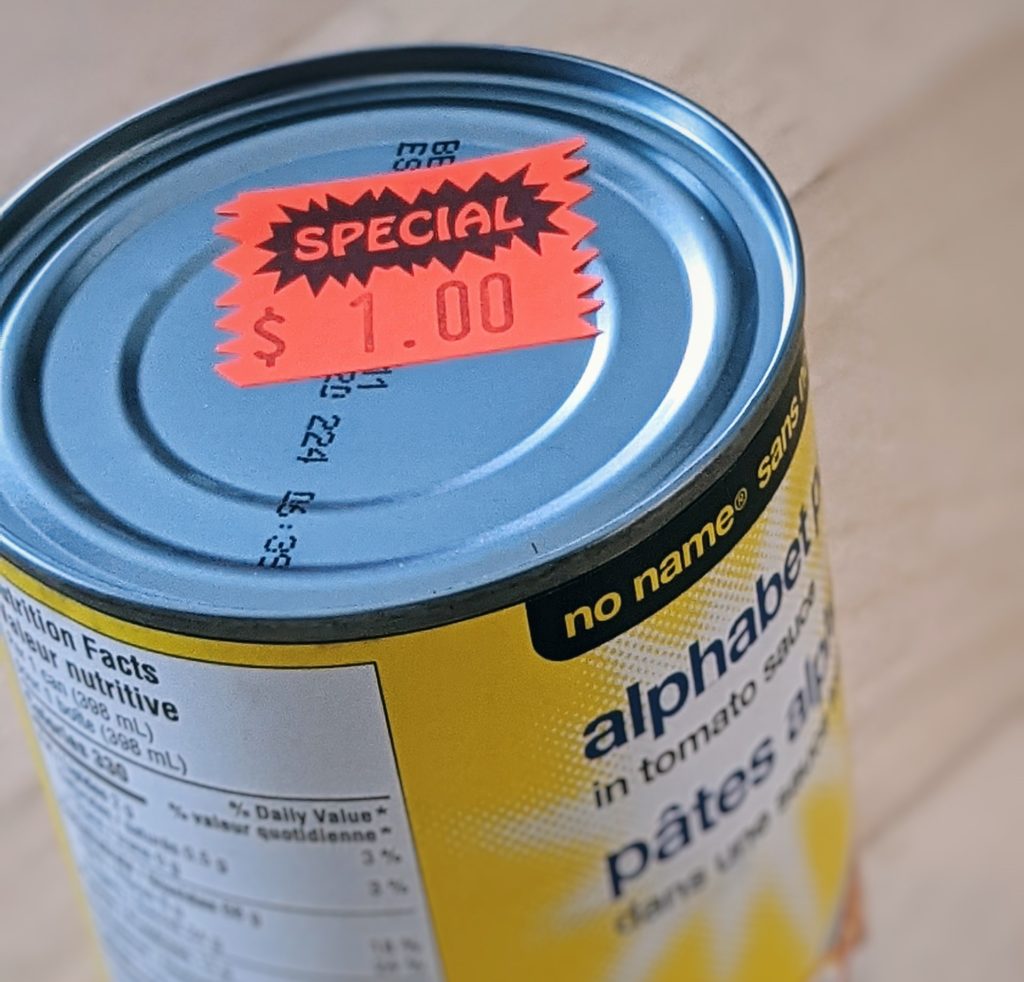
Billig means cheap. Günstig is cheap. But why do Germans need two words that mean the exact same thing? Well, it’s not that simple. They have subtle differences. So let’s find out what those are, and how they are similar.
To start, let’s go with the definitions given to us by the Duden for both words.
Günstig
- durch seine Art oder [zufällige] Beschaffenheit geeignet, jemandem einen Vorteil oder Gewinn zu verschaffen, die Vorzüge einer Person oder Sache zur Geltung zu bringen, ein Vorhaben oder das Gedeihen einer Sache zu fördern (by its nature or [incidental] quality, capable of giving somebody an advantage or gain, of emphasizing the merits of a person or thing, of furthering an undertaking or the prosperity of a thing
- billig, preiswert (cheap, inexpensive)
Billig
- niedrig im Preis; nicht teuer; für verhältnismäßig wenig Geld [zu haben] (low in price; not expensive; [available] for relatively little money)
- von minderer Qualität (of lesser quality)
- vordergründig, einfallslos, geistlos o. ä. und daher ohne die erhoffte Wirkung (superficial, unimaginative, mindless or similar and therefore without the hoped-for effect)
- angemessen, berechtigt (appropriate, justifiable) – this is an archaic meaning, and only really used anymore in legal contexts.
Quite some definitions! So how are these words actually used? As you can see, the definitions overlap, but are also different. So this will also depend on where in the German-speaking world you are from.
In my experience, there’s one big difference that really sets these two apart.
When you buy billig, it means you’re buying cheap – it doesn’t cost much, but it also isn’t worth much. So something that’s billig is just cheap – it’s not a good deal. That overlaps more with the meaning English sometimes also gives to the word cheap.
When you buy günstig, it means you’re buying good value – a Schnäppchen (n, bargain). As the first definition above says: it gives you an advantage – so you’re getting high quality for a good price.
So günstig has a more positive connotation, while billig is rather negative. However, that’s not always the case. Here’s an interaction you might see in Germany:
Mensch, ist das alles billig hier!
Wie meinst du, billig?
Naja, preiswert – alles ist günstig.
(My goodness, it’s all so cheap here!
What do you mean, cheap?
Well, good value – everything is inexpensive).
The fact this needs clarification is because of that other meaning of billig. Let’s talk about that.

This might be a billiges Fahrrad, but at least it works! (Photo by Ray Fragapane on Unsplash)
Billig means cheap – it can even mean cheap in a rather neutral way, without saying anything about quality. But its third meaning gives billig, well, a whole new meaning.
When you call something billig, it can really be an insult. That third meaning says it means it’s superficial, unimaginative. So a billiges Fahrrad can just mean that it’s a cheap bike, in all the bad ways.
But a person can also act billig. For example ein billiger Trick is “a cheap trick”, or “a cheap move”. So if you want to say something like that, it’s ALWAYS billig!
Anything that’s kind of trashy can also be called billig. Die billige Sendung (the trashy show), for example.
Have these words been confusing for you? Are there other words or word pairs that are similar that mystify you? Let me know in the comments below, and perhaps it will become the topic of a future blog post!


