
When you think about learning a new language, the environment in which you study can significantly impact your progress. Small group classes offer a unique setting that fosters interaction and engagement among students. In these intimate settings, you can benefit from personalized instruction and a more tailored approach to your learning needs.
Unlike traditional large classrooms, where individual voices can easily get lost, small groups allow for more meaningful exchanges and discussions. This dynamic not only enhances your understanding of the language but also makes the learning process more enjoyable. Moreover, small group classes often create a sense of community among participants.
You are likely to form connections with your peers, which can lead to collaborative learning experiences. This camaraderie can motivate you to attend classes regularly and participate actively, knowing that you are part of a supportive network. The shared journey of language learning can transform what might feel like a daunting task into an exciting adventure, where you celebrate each other’s successes and encourage one another through challenges.
Key Takeaways
- Small group classes allow for more personalized attention and interaction with the instructor.
- Individualized attention in small group classes helps students to progress at their own pace and address their specific language learning needs.
- Small group classes create a supportive learning environment where students can collaborate and learn from each other.
- Small group classes play a crucial role in language acquisition by providing ample opportunities for practice and interaction.
- Intensive language study in a small group setting allows for focused learning and rapid progress in language proficiency.
The Importance of Individualized Attention
One of the most significant advantages of small group classes is the individualized attention you receive from instructors. In a smaller setting, teachers can focus on your specific needs, strengths, and weaknesses. This personalized approach allows for targeted feedback that can accelerate your learning process.
You may find that your instructor is more accessible for questions and clarifications, enabling you to grasp complex concepts more effectively. This tailored guidance can be particularly beneficial when tackling challenging aspects of language acquisition, such as grammar or pronunciation. Additionally, individualized attention fosters a deeper understanding of the material.
When you receive feedback that is specific to your performance, you can make adjustments and improvements more readily. This level of engagement not only enhances your language skills but also builds your confidence as you see tangible progress. In a small group setting, your instructor can adapt lessons to suit the pace and interests of the group, ensuring that everyone is on the same page while still addressing individual concerns.
How Small Group Classes Foster a Supportive Learning Environment
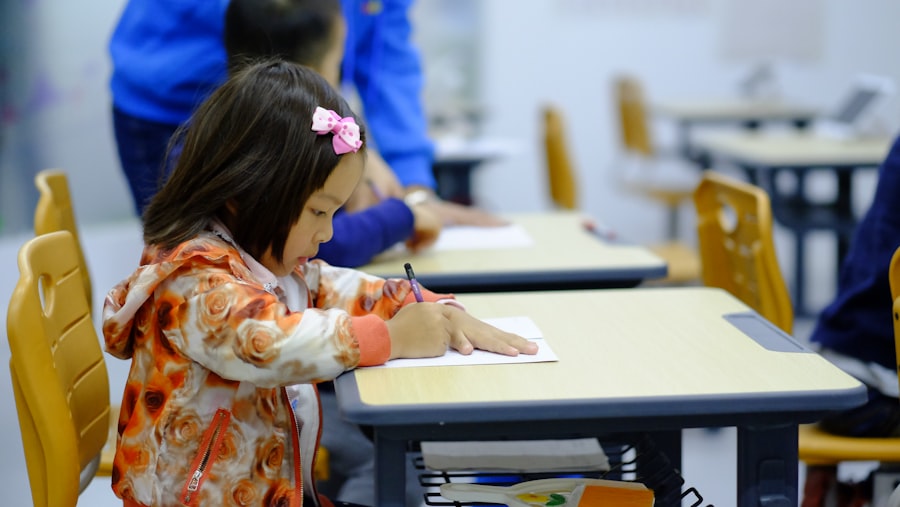
In small group classes, the atmosphere is often more relaxed and conducive to learning. You are likely to feel more comfortable expressing yourself and making mistakes, which is an essential part of the language learning process. The supportive environment encourages you to take risks with your language use, knowing that your peers are there to support you rather than judge you.
This sense of safety can significantly enhance your willingness to participate and engage in conversations. Furthermore, the collaborative nature of small group classes allows for peer-to-peer learning. You can learn from each other’s experiences and insights, which enriches the overall learning experience.
When you work together on exercises or projects, you not only reinforce your own understanding but also help others in their learning journey. This mutual support creates a positive feedback loop that benefits everyone involved, making the classroom a vibrant space for growth and exploration.
The Role of Small Group Classes in Language Acquisition
Language acquisition is a complex process that requires exposure to various linguistic elements, including vocabulary, grammar, and pronunciation. Small group classes provide an ideal environment for this exposure, as they often incorporate diverse activities that cater to different learning styles. You may engage in role-playing exercises, group discussions, or interactive games that make learning more dynamic and enjoyable.
These varied approaches help reinforce your understanding and retention of the language. Moreover, small group classes often emphasize real-life communication scenarios. By practicing conversational skills in a supportive setting, you can develop your ability to think on your feet and respond naturally in everyday situations.
This practical application of language skills is crucial for effective communication and helps bridge the gap between theoretical knowledge and real-world usage. As you engage with your peers in meaningful conversations, you will find that your language skills improve more rapidly than in traditional classroom settings.
The Advantages of Intensive Language Study in a Small Group Setting
Intensive language study in small groups can be particularly beneficial for those looking to make significant progress in a short amount of time. The concentrated nature of these classes allows for immersive experiences that accelerate learning. You are likely to spend several hours each day practicing the language, which reinforces your skills and helps solidify your understanding of key concepts.
This level of immersion can lead to rapid improvements in both comprehension and speaking abilities. Additionally, the small group dynamic fosters accountability among participants. When you are part of a close-knit group, you may feel more motivated to keep up with assignments and actively participate in discussions.
The shared commitment to learning creates an environment where everyone pushes each other to excel. This collective drive can be particularly powerful during intensive study sessions, as you work together towards common goals and celebrate each other’s achievements along the way.
How Small Group Classes Encourage Active Participation and Engagement

Active participation is crucial for effective language learning, and small group classes naturally encourage this kind of engagement. With fewer students in the room, you have more opportunities to speak up, ask questions, and contribute to discussions. This increased interaction not only helps reinforce your understanding but also allows you to practice speaking in a low-pressure environment.
You may find that you are more willing to share your thoughts and ideas when you know that everyone else is equally invested in the learning process. Moreover, small group classes often incorporate interactive activities that require collaboration and communication among participants. Whether it’s working on group projects or engaging in debates, these activities promote active involvement and help solidify your language skills.
As you collaborate with others, you will find that your confidence grows, making it easier to express yourself in both spoken and written forms.
The Impact of Small Group Classes on Language Proficiency
The impact of small group classes on language proficiency cannot be overstated. With personalized attention from instructors and ample opportunities for practice, you are likely to see significant improvements in your language skills over time. The focused nature of these classes allows for targeted instruction that addresses specific areas where you may need additional support.
As a result, you can develop a deeper understanding of the language and its nuances. Furthermore, the collaborative environment fosters peer learning, which can enhance your proficiency even further. By engaging with classmates who may have different strengths or perspectives, you can gain new insights into the language that you might not have encountered otherwise.
This exchange of ideas enriches your learning experience and contributes to a more comprehensive understanding of the language as a whole.
The Effectiveness of Small Group Classes in Building Confidence and Fluency
Confidence is key when it comes to language learning, and small group classes provide an ideal setting for building this essential trait. In these intimate environments, you are encouraged to take risks with your language use without fear of judgment. As you practice speaking and interacting with others, you will gradually become more comfortable expressing yourself in the target language.
This newfound confidence can have a profound impact on your overall fluency. Moreover, the supportive nature of small group classes allows for constructive feedback from both instructors and peers. When you receive positive reinforcement for your efforts, it boosts your self-esteem and motivates you to continue improving.
As you witness your progress over time, you will find that your confidence grows alongside your fluency, enabling you to engage in conversations with greater ease and assurance.
The Role of Small Group Classes in Cultural Immersion and Understanding
Language learning is not just about mastering vocabulary and grammar; it also involves understanding the culture behind the language. Small group classes often incorporate cultural elements into their curriculum, providing you with valuable insights into the customs, traditions, and social norms associated with the language you are studying. This cultural immersion enhances your overall learning experience and helps you appreciate the context in which the language is used.
Additionally, interacting with classmates from diverse backgrounds can further enrich your understanding of cultural nuances. As you share experiences and perspectives with others, you gain a broader view of how language functions within different cultural frameworks. This exposure not only deepens your appreciation for the language but also prepares you for real-world interactions where cultural sensitivity is essential.
How Small Group Classes Promote Collaboration and Communication Skills
Collaboration is a vital skill in today’s interconnected world, and small group classes provide an excellent platform for developing this competency. Working alongside peers on various tasks encourages teamwork and fosters effective communication skills. You will learn how to express your ideas clearly while also listening actively to others—a crucial aspect of successful collaboration.
Moreover, small group settings often require negotiation and compromise as you work together towards common goals. These experiences teach you how to navigate differing opinions and find solutions that satisfy everyone involved. As you practice these skills in a supportive environment, you will become more adept at collaborating with others both inside and outside the classroom.
The Future of Language Education: Small Group Classes as a Preferred Learning Model
As education continues to evolve, small group classes are emerging as a preferred model for language instruction. The benefits they offer—such as individualized attention, active participation, and cultural immersion—align well with contemporary educational philosophies that prioritize student engagement and collaboration. As technology advances and educational methods adapt, small group classes are likely to play an increasingly prominent role in language education.
In conclusion, if you’re considering embarking on a language-learning journey or seeking ways to enhance your existing skills, small group classes present an excellent opportunity for growth. With their focus on personalized instruction, supportive environments, and collaborative experiences, these classes can significantly impact your language proficiency while building confidence along the way. Embracing this model could very well be the key to unlocking your full potential as a language learner.
If you’re considering enrolling in small group classes at a language school in Chandler, AZ, you might find it beneficial to explore various vocabulary-building techniques. A related article that offers valuable insights on this topic is titled “Are There Differences in Vocabulary Building Techniques for Different Languages?” which discusses how different languages may require unique approaches to vocabulary acquisition. You can read the article [here](https://learningnewlanguage.net/blog/are-there-differences-in-vocabulary-building-techniques-for-different-languages/). This information could enhance your learning experience and help you make the most of your classes.
FAQs
What are small group classes at a language school in Chandler, AZ?
Small group classes at a language school in Chandler, AZ are language learning sessions with a limited number of students, typically ranging from 3 to 8 individuals. These classes provide a more personalized and interactive learning experience compared to larger group settings.
What are the benefits of small group classes at a language school?
Small group classes at a language school offer benefits such as increased speaking practice, individualized attention from the instructor, opportunities for collaboration and peer learning, and a supportive and motivating environment for language acquisition.
What languages are typically offered in small group classes at language schools in Chandler, AZ?
Language schools in Chandler, AZ may offer small group classes in a variety of languages, including but not limited to Spanish, French, German, Italian, Mandarin, Japanese, and English as a Second Language (ESL).
How long are small group classes at a language school in Chandler, AZ?
The duration of small group classes at a language school in Chandler, AZ can vary, but they typically range from 1 to 2 hours per session. The frequency of classes may also vary, with options for weekly, bi-weekly, or intensive schedules.
Who can benefit from small group classes at a language school in Chandler, AZ?
Small group classes at a language school in Chandler, AZ are beneficial for individuals of all proficiency levels, from beginners to advanced learners. They are suitable for students, working professionals, travelers, and anyone else looking to improve their language skills in a supportive and collaborative setting.


