
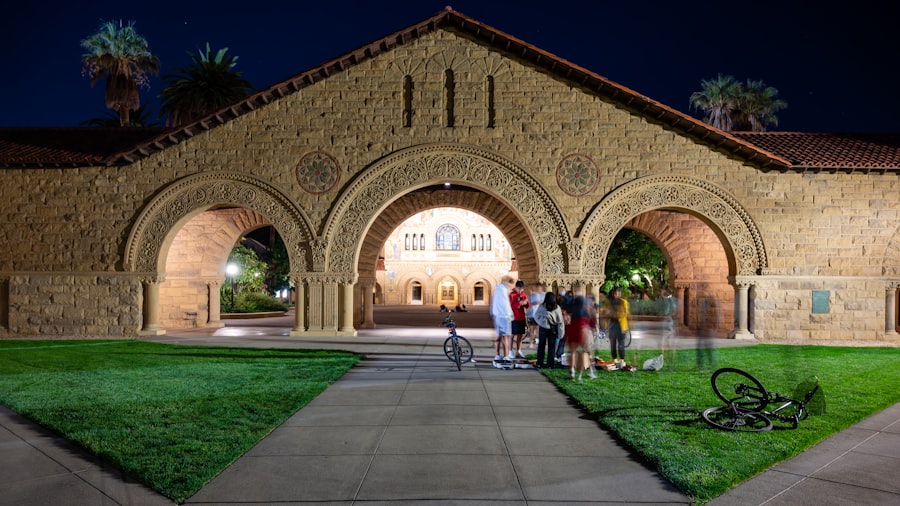
When considering a language program, the location and facilities play a crucial role in your overall experience. Imagine stepping into a vibrant campus nestled in the heart of a bustling city or a serene environment that fosters learning and creativity. The ideal location not only provides easy access to essential amenities but also immerses you in the local culture, enhancing your language acquisition.
You might find yourself surrounded by cafes, libraries, and cultural landmarks, all of which can serve as extensions of your classroom. This dynamic setting can inspire you to practice your language skills in real-world situations, making your learning journey more engaging and effective. The facilities available at the institution are equally important.
You would want to study in a space that is equipped with modern technology and resources. Classrooms should be designed to facilitate interaction and collaboration, featuring smart boards, audio-visual equipment, and comfortable seating arrangements. Additionally, access to libraries stocked with language resources, study rooms for group work, and recreational areas can significantly enhance your learning experience.
A well-maintained campus with ample resources can create an environment where you feel motivated and supported throughout your language learning journey.
Key Takeaways
- Located in a convenient and accessible area with modern facilities
- Offers a variety of language programs including intensive courses and specialized workshops
- Highly qualified and experienced instructors with expertise in language teaching
- Small class sizes and low student-teacher ratio for personalized attention
- Utilizes interactive and communicative teaching methods to enhance learning
- Provides comprehensive student support services including academic advising and counseling
- Offers cultural immersion opportunities such as language exchange programs and cultural events
- Accommodation options include homestays, dormitories, and off-campus apartments
- Organizes extracurricular activities such as city tours, cooking classes, and sports events
- Features testimonials from satisfied students and their success stories
- Streamlined admission process with transparent fees and flexible payment options
Language Programs Offered
The variety of language programs offered can greatly influence your decision on where to study. You may be looking for a comprehensive course that covers all aspects of language learning, including speaking, listening, reading, and writing. Many institutions provide tailored programs that cater to different proficiency levels, from beginners to advanced learners.
This flexibility allows you to choose a program that aligns with your current skills and future goals. Whether you are preparing for a specific exam or simply wish to improve your conversational abilities, you will likely find a course that meets your needs. In addition to standard language courses, many institutions offer specialized programs focusing on specific areas such as business language, academic writing, or cultural studies.
These programs can provide you with the vocabulary and skills necessary to excel in particular contexts. Furthermore, some schools may offer immersive experiences where you can practice the language in real-life situations, such as internships or community service projects. This hands-on approach not only reinforces what you learn in the classroom but also helps you build confidence in using the language outside of an academic setting.
Qualified Instructors

The quality of instructors can make a significant difference in your language learning experience. You deserve to learn from qualified professionals who are not only fluent in the language but also skilled in teaching it effectively. Many institutions pride themselves on hiring instructors with advanced degrees in linguistics or education, as well as extensive teaching experience.
These educators often employ various teaching strategies to cater to different learning styles, ensuring that every student has the opportunity to thrive. Moreover, qualified instructors often bring a wealth of cultural knowledge to the classroom. They can share insights about the nuances of the language, including idiomatic expressions and cultural references that textbooks may overlook.
This depth of understanding can enrich your learning experience and provide context for the language you are studying. Engaging with instructors who are passionate about their subject matter can inspire you to delve deeper into the language and culture, making your educational journey all the more rewarding.
Class Size and Student-Teacher Ratio
Class size is another critical factor that can impact your learning experience. Smaller class sizes often lead to more personalized attention from instructors, allowing you to receive immediate feedback on your progress. In a more intimate setting, you may feel more comfortable participating in discussions and asking questions, which can enhance your understanding of the material.
A favorable student-teacher ratio ensures that you have ample opportunities for interaction, fostering a supportive learning environment where you can thrive. Conversely, larger classes may limit individual attention but can also provide a diverse range of perspectives and experiences among your peers. If you enjoy collaborative learning and engaging with a variety of viewpoints, a larger class might suit you well.
Ultimately, it’s essential to consider what type of environment will best support your learning style and goals. Whether you prefer the close-knit atmosphere of a small class or the dynamic energy of a larger group, finding the right balance is key to maximizing your language acquisition.
Teaching Methodology
The teaching methodology employed by an institution can significantly influence how effectively you learn a new language. Many modern programs utilize communicative language teaching (CLT), which emphasizes interaction as the primary means of language acquisition. This approach encourages you to engage in conversations, role-plays, and group activities that mimic real-life situations.
By practicing speaking and listening skills in context, you are more likely to retain what you learn and apply it outside the classroom. Additionally, some programs incorporate technology into their teaching methodologies, utilizing online resources, language apps, and multimedia tools to enhance the learning experience. This integration of technology can make lessons more engaging and interactive while providing you with access to a wealth of resources at your fingertips.
Whether through virtual classrooms or interactive exercises, these innovative methods can cater to various learning preferences and keep you motivated throughout your studies.
Student Support Services
As you embark on your language learning journey, having access to robust student support services can make all the difference. Institutions that prioritize student well-being often offer various resources designed to help you succeed academically and personally. From academic advising to tutoring services, these support systems ensure that you have the guidance needed to navigate challenges that may arise during your studies.
Moreover, many institutions provide counseling services and wellness programs aimed at promoting mental health and well-being among students. Adjusting to a new environment and culture can be overwhelming at times; having access to support can help ease this transition. Whether it’s through workshops on stress management or opportunities for peer support groups, knowing that assistance is available can empower you to focus on your studies while also taking care of your overall well-being.
Cultural Immersion Opportunities
Cultural immersion is an invaluable aspect of language learning that goes beyond traditional classroom instruction. Engaging with the local culture allows you to practice your language skills in authentic settings while gaining a deeper understanding of customs and traditions. Many institutions offer cultural immersion programs that include excursions, community events, and partnerships with local organizations.
These experiences enable you to interact with native speakers and apply what you’ve learned in real-world contexts. Participating in cultural activities such as cooking classes, dance workshops, or local festivals can also enhance your appreciation for the language and its cultural significance. By immersing yourself in the local community, you not only improve your language skills but also create lasting memories and connections with people from diverse backgrounds.
This holistic approach to language learning fosters a sense of belonging and enriches your overall educational experience.
Accommodation Options
Finding suitable accommodation is an essential part of your study abroad experience. Many institutions offer various housing options tailored to different preferences and budgets. You might choose between on-campus dormitories that provide a convenient living arrangement close to classes or off-campus apartments that offer more independence and privacy.
Each option comes with its own set of advantages; living on campus may facilitate social interactions with fellow students, while off-campus living could provide a more authentic experience of local life. Additionally, some institutions may assist students in finding homestays with local families. This arrangement not only offers a unique opportunity for cultural exchange but also allows for daily practice of the language in a supportive environment.
Whichever accommodation option you choose, it’s essential to consider factors such as location, amenities, and community atmosphere to ensure that it aligns with your lifestyle and enhances your overall study experience.
Extracurricular Activities
Extracurricular activities play a vital role in enriching your educational experience beyond academics. Engaging in clubs, sports teams, or cultural organizations allows you to meet new people while pursuing interests outside the classroom. Many institutions offer a wide range of extracurricular options that cater to diverse interests—whether you’re passionate about sports, arts, or community service.
Participating in these activities not only helps you build friendships but also provides additional opportunities for practicing the language in informal settings. For instance, joining a conversation club or participating in theater productions can enhance your speaking skills while allowing you to immerse yourself further in the culture. These experiences contribute significantly to personal growth and help create a well-rounded educational journey.
Student Testimonials
Hearing from current or former students can provide valuable insights into what you can expect from a language program. Testimonials often highlight personal experiences regarding academic rigor, instructor quality, and overall satisfaction with the program. You might discover stories of students who overcame challenges through supportive faculty or those who formed lifelong friendships during their studies.
These testimonials can also shed light on specific aspects of the program that resonate with potential students—such as unique cultural experiences or effective teaching methodologies. By reading about others’ journeys, you gain perspective on how the program aligns with your own goals and aspirations for language learning.
Admission Process and Fees
Understanding the admission process is crucial as you prepare for your language studies. Most institutions have clear guidelines outlining application requirements such as transcripts, letters of recommendation, and personal statements. Familiarizing yourself with these requirements early on will help streamline your application process and ensure that you submit all necessary documents on time.
In addition to admission requirements, it’s essential to consider tuition fees and other associated costs such as materials or accommodation expenses. Many institutions offer financial aid options or scholarships for eligible students; researching these opportunities can alleviate some financial burdens associated with studying abroad. By planning ahead and being informed about both the admission process and financial considerations, you’ll be better equipped to embark on this exciting educational journey.
In conclusion, choosing the right language program involves careful consideration of various factors including location, facilities, teaching methodologies, and support services among others. By taking the time to research these elements thoroughly, you’ll be well-prepared to make an informed decision that aligns with your personal goals and aspirations for language learning.
If you’re exploring the best language schools in Bellevue, Washington, you might also be interested in understanding the nuances of learning a new language. A related article that delves into the intricacies of language learning is titled “The Difference Between Wissen and Kennen in German.” This article can provide valuable insights into the complexities of mastering German vocabulary, which could be beneficial if you’re considering enrolling in a language program. You can read more about it by visiting this link.
FAQs
What makes a language school the best in Bellevue, Washington?
A language school in Bellevue, Washington can be considered the best based on factors such as experienced and qualified instructors, a diverse range of language courses, small class sizes for personalized attention, and a positive reputation within the community.
What language courses are typically offered at the best language school in Bellevue, Washington?
The best language school in Bellevue, Washington typically offers a wide range of language courses including Spanish, French, Mandarin, Japanese, German, Italian, and English as a Second Language (ESL).
What are the benefits of attending the best language school in Bellevue, Washington?
Attending the best language school in Bellevue, Washington can provide benefits such as improved language skills, cultural understanding, networking opportunities, and enhanced career prospects in a globalized world.
How can I determine if a language school in Bellevue, Washington is the best fit for me?
To determine if a language school in Bellevue, Washington is the best fit for you, consider factors such as class schedules, teaching methodologies, student reviews, and the specific language courses offered to ensure they align with your goals and preferences.